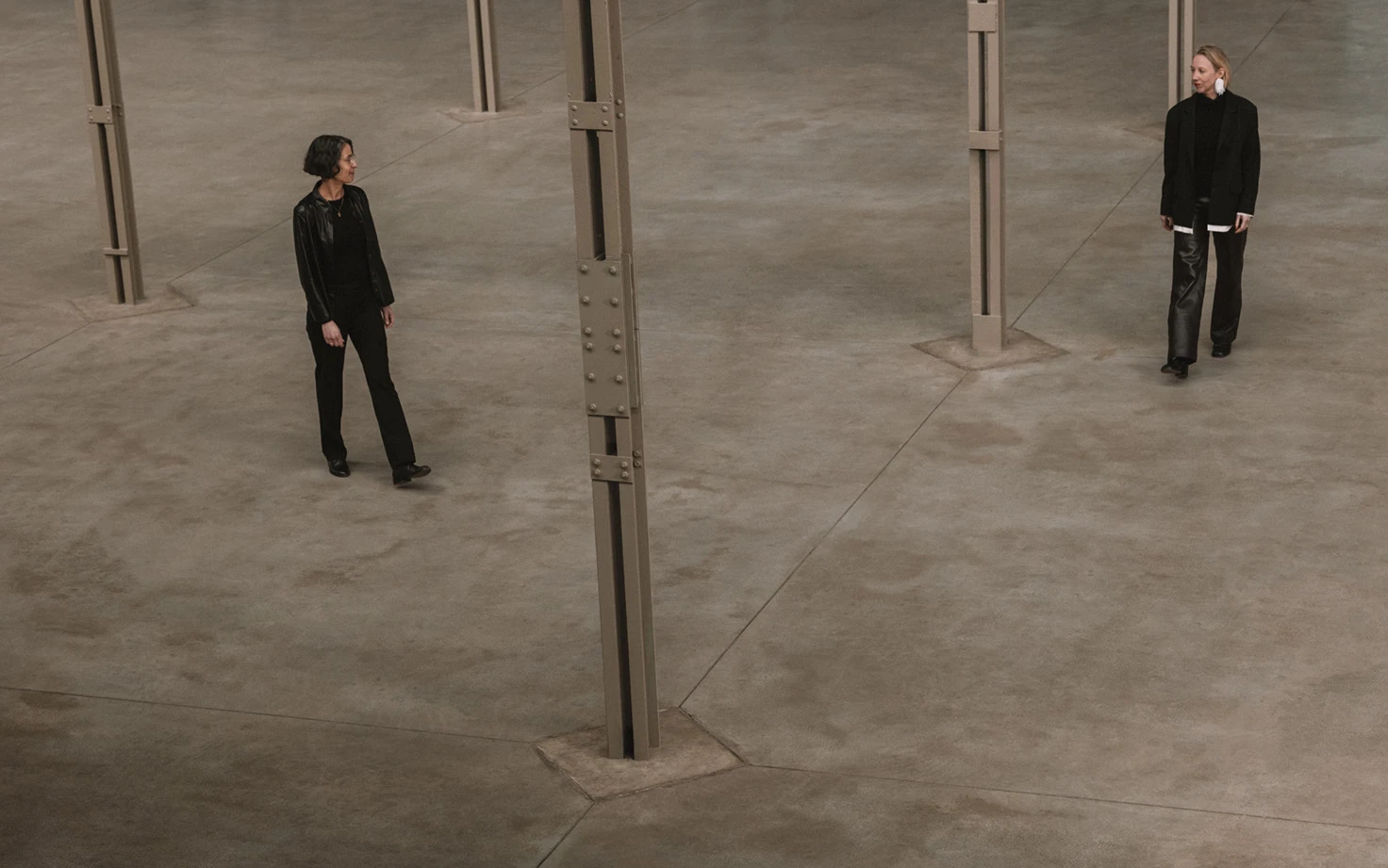
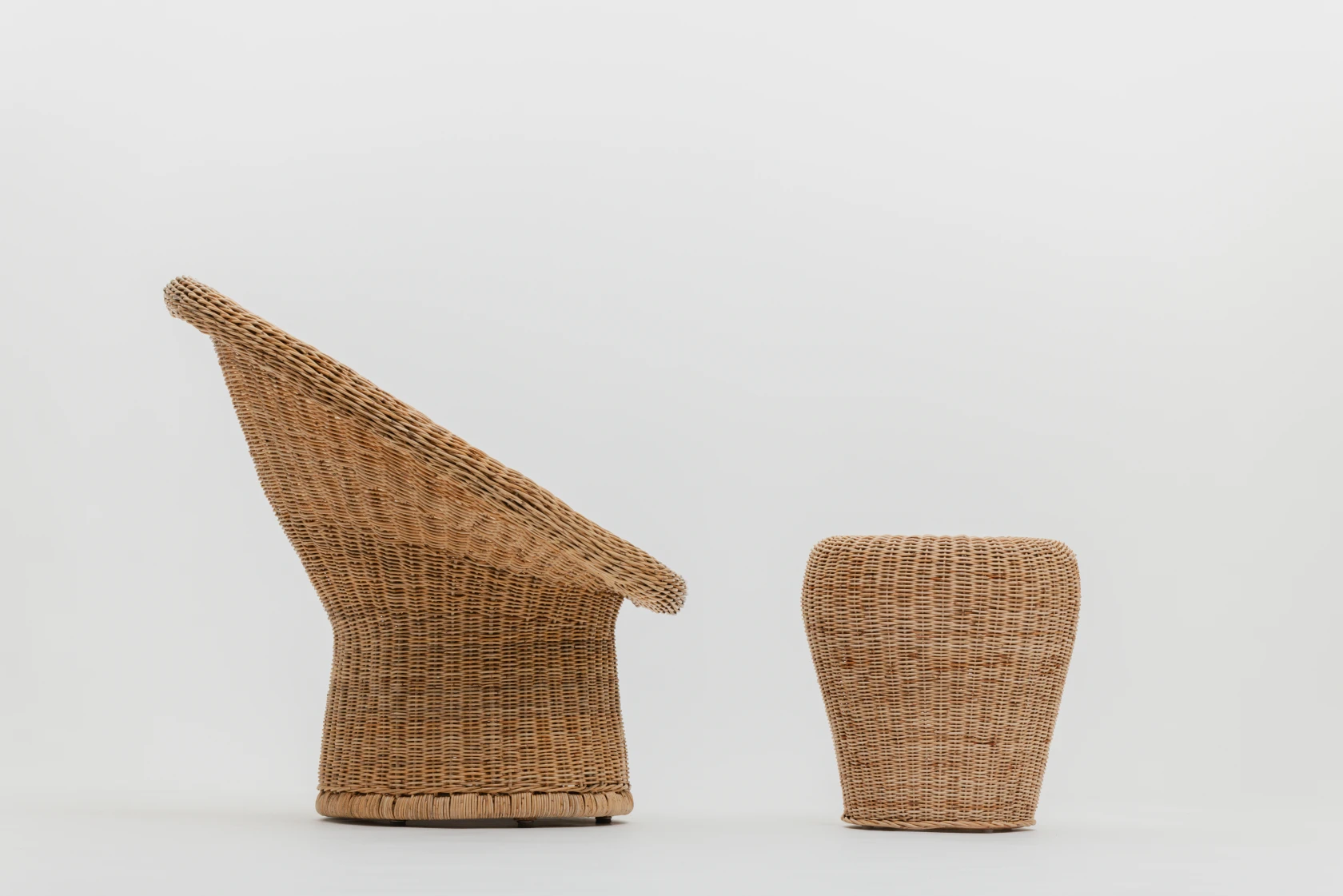
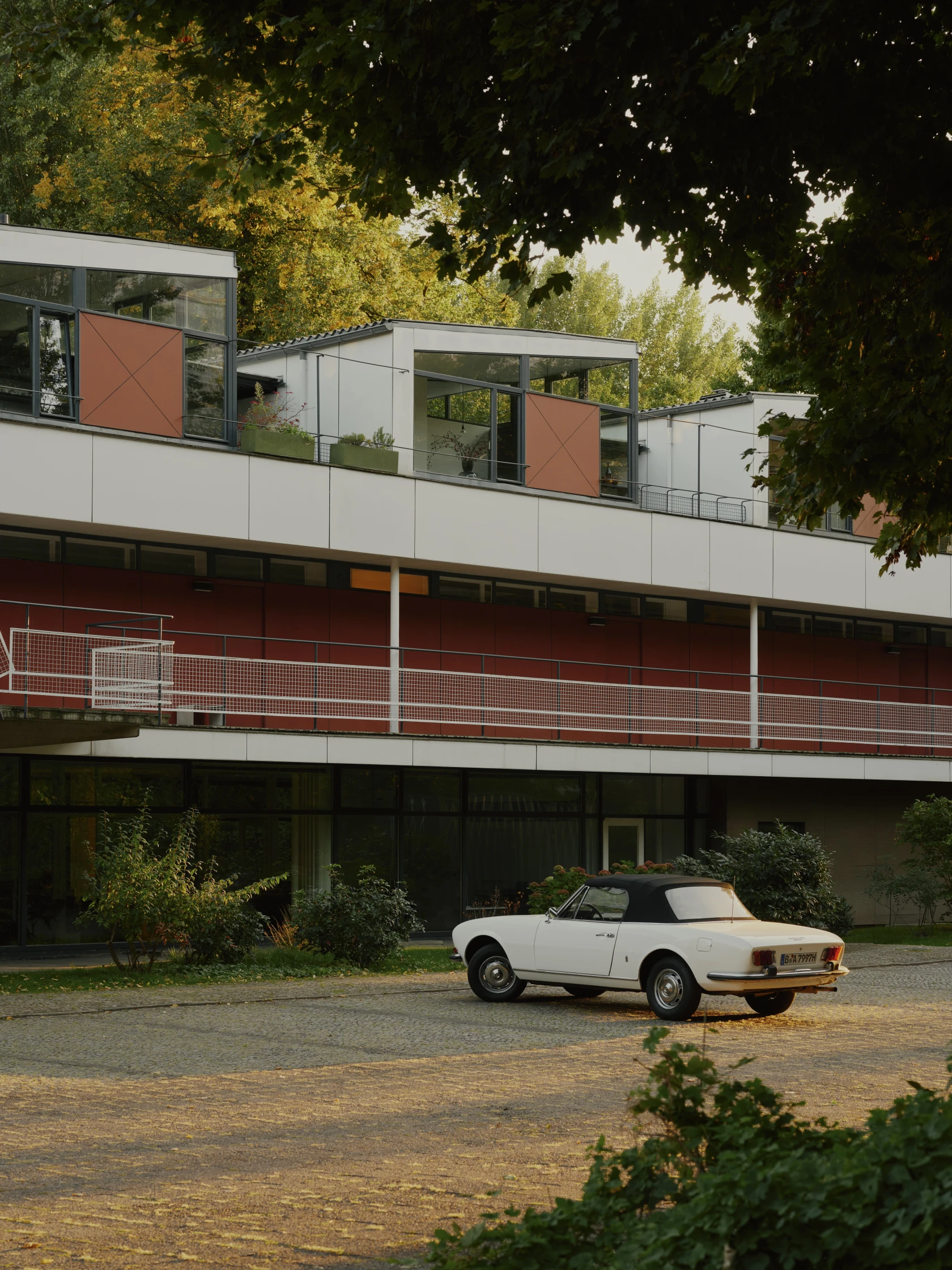
Egon Eiermann’s architecture and furniture come together in Berlin’s Hansaviertel, where Richard Lampert presents his design classics alongside the new Eiermann 2 M/E. Photo: Ramon Bazar
The odds seem to be against Jasmin Jouhar and Laura Ewert, the two founders behind the new Berlin design festival Currents. The German capital is globally famous for its creative energy. Yet there is this ongoing, almost cursed dynamic: formats trying to channel this energy rarely succeed sustainably. We asked Jasmin and Laura about their motivations for taking on this design mission impossible, what’s at stake for the city and its creative scene, and what care work has to do with founding Currents at this particular moment.
the thing Magazine:
Let’s start simple: What is Currents and why does Berlin need another design festival?
Laura Ewert: It started with the same idea for both of us: Berlin needs a platform for design. Jasmin Jouhar: Through our work as design journalists, we realized that there is a real need to connect better and to show people: Look, there’s actually quite a lot happening here. But it isn’t really being noticed in Berlin, and certainly not from the outside. So we thought: We’re going to do it.
the thing Magazine:
How does Currents actually work?
LE: We are a decentralized festival, meaning there are around 60 locations where participants decide what they show and how they show it. We help with the concept, coordination, and connecting people with potential partners and collaborators. We do PR and marketing and help find locations.
the thing Magazine:
Can just anyone participate as an exhibitor?
JJ: We do keep an eye on quality, but we don’t aim to promote a particular design position or certain bubbles. The story we want to tell is Berlin as a design hub. There is a lot happening here and I think Berlin needs someone to bring all of that together, put it on a stage, and turn on the spotlights.
Egon Eiermann’s architecture and furniture come together in Berlin’s Hansaviertel, where Richard Lampert presents his design classics alongside the new Eiermann 2 M/E. Photo: Ramon Bazar
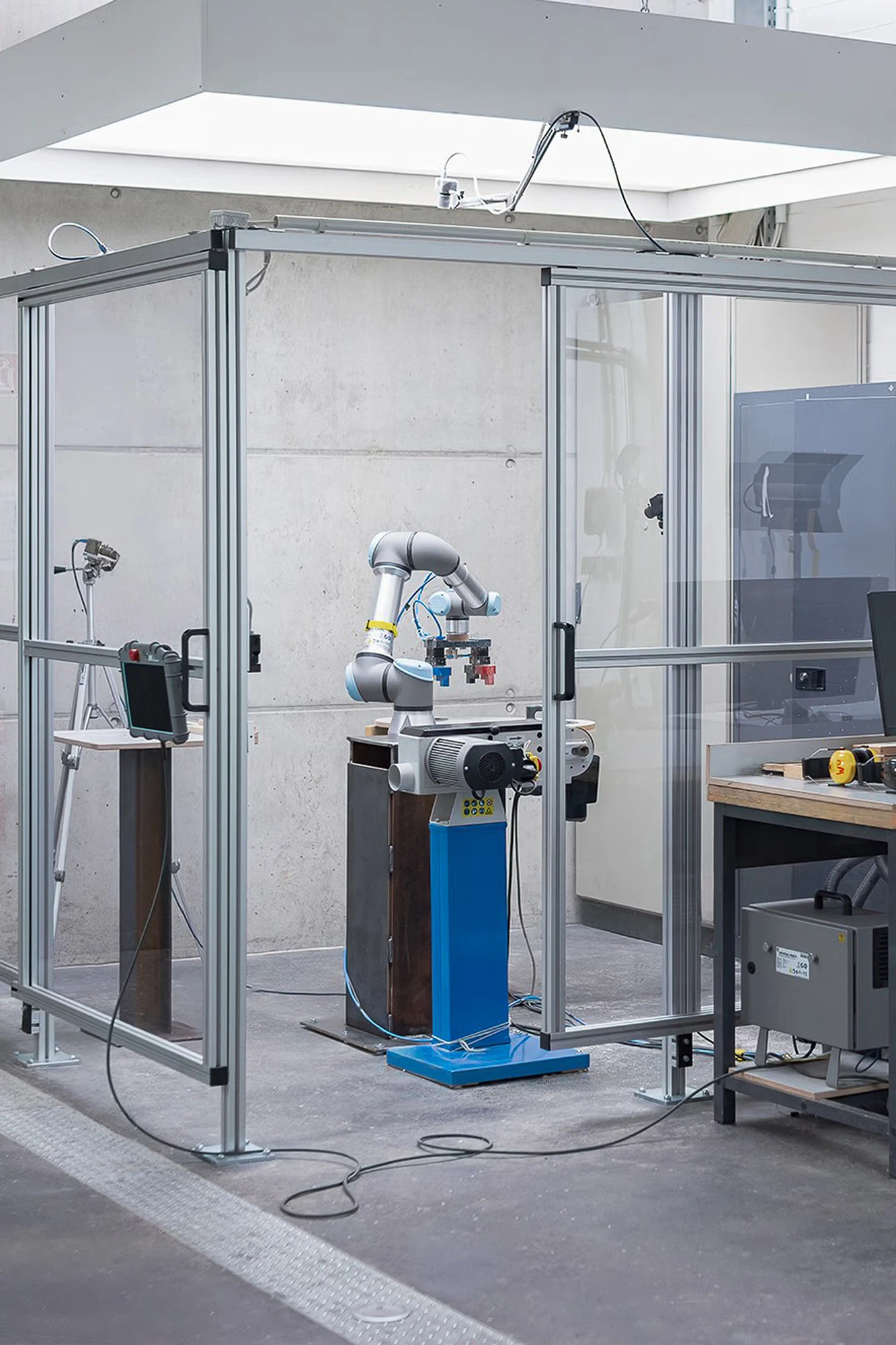
The exhibition See:tech at Kunsthalle am Hamburger Platz showcases works emerging from three key labs at weißensee academy of art berlin.
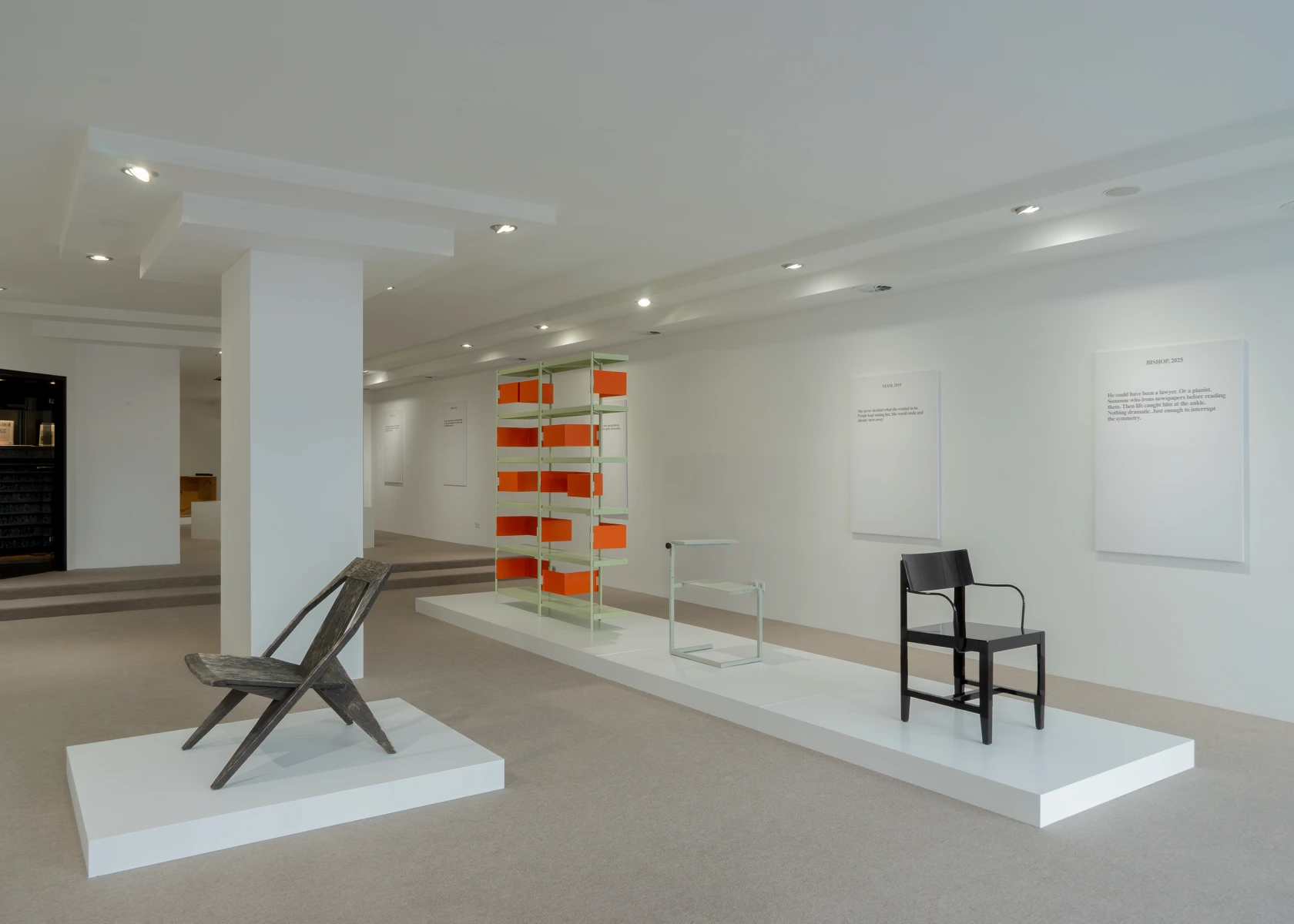
At Deutsches Design Museum, Konstantin Grcic reveals prototypes, mock-ups, and abandoned ideas from over 30 years of practice.
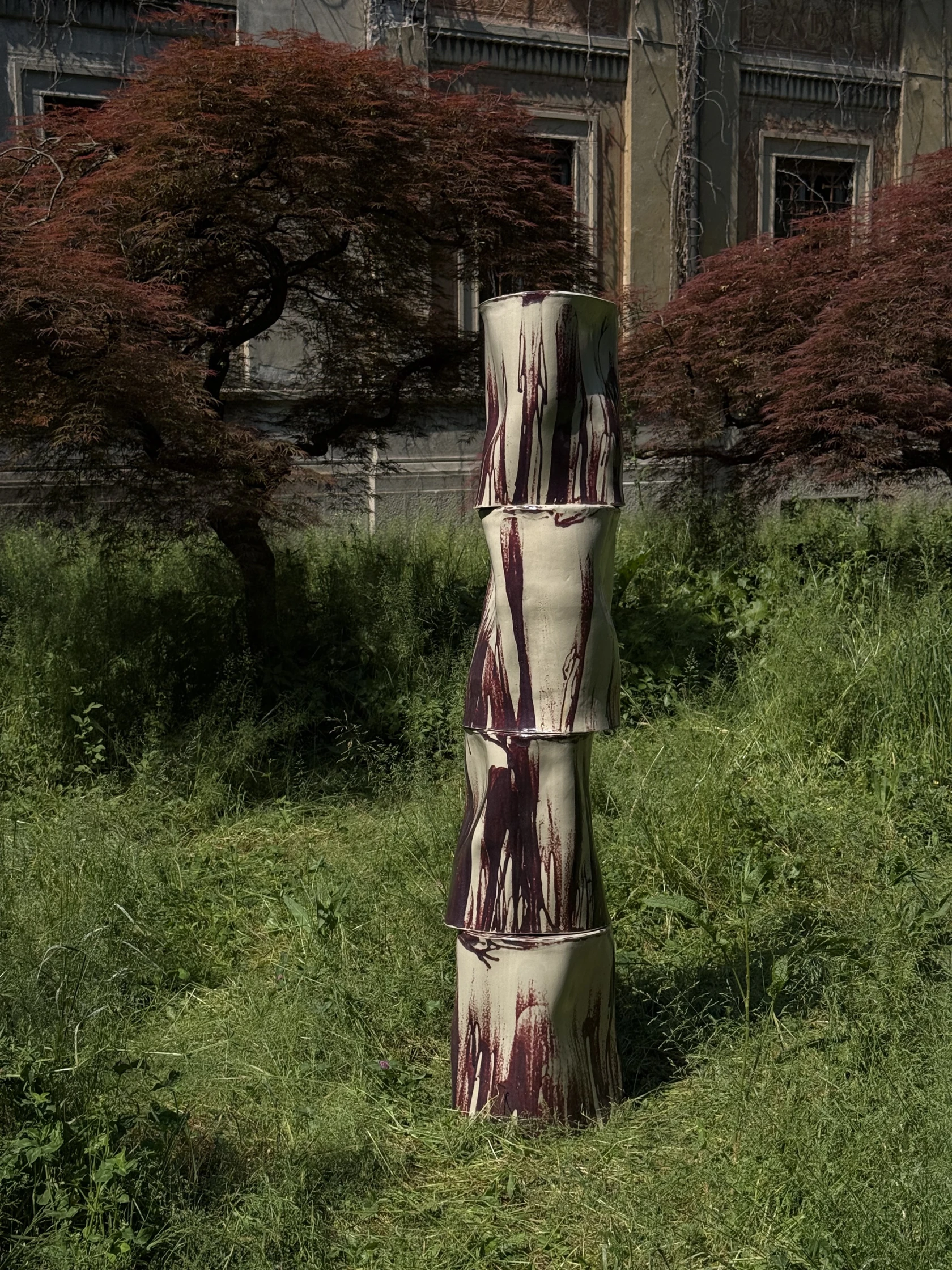
Across Berlin, independent designers and craftspeople are opening their doors, including Maxi Hoffmann and her ceramic practice hap ceramics.
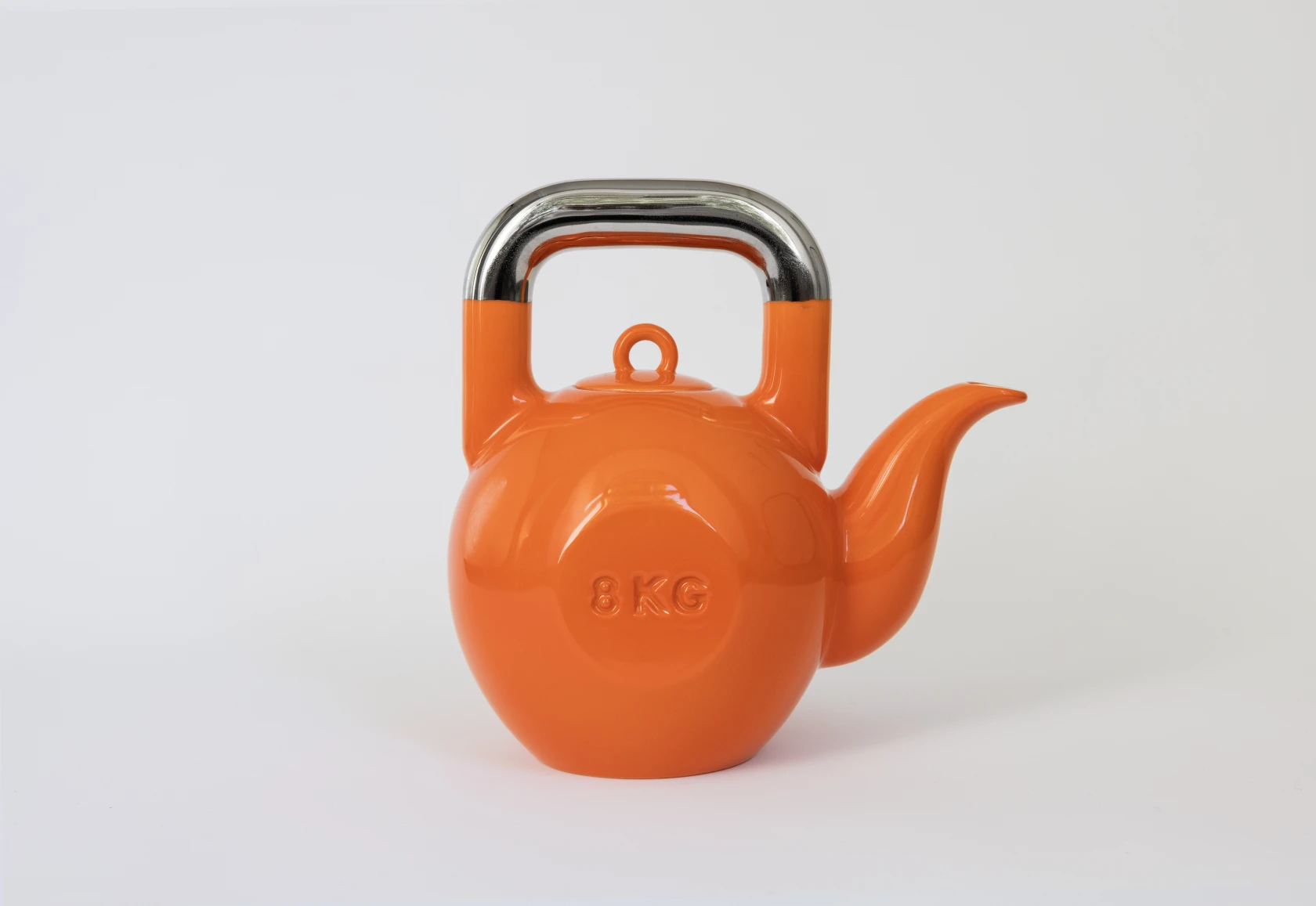
Kettlebell Teapot by Sucuk & Bratwurst.
the thing Magazine:
Speaking of design positions, how would you define your understanding of design for this format?
JJ: For Currents, we set relatively narrow boundaries. On the one hand, the question was: What is actually feasible? On the other hand, we asked ourselves: What is needed? A lot of studios have moved to Berlin or opened here in recent years, in product and furniture design as well as interior design. And this is our angle for Currents as well. We felt that there was a strong scene and a lot of movement. At the same time the whole thing needs a certain profile. We can’t dissolve all the boundaries, because then it’s no longer clear who we are and what people need us for. LE: The door to art is definitely open, but art is already very well represented in Berlin. And when it comes to social design, Eindhoven, for example, is very strong. I think we need to reflect what is happening in Berlin.
the thing Magazine:
Will Currents remain a specifically Berlin-based project?
JJ: But we want to bring the world to Berlin, and Currents could certainly also grow beyond Berlin and become a platform for Germany. LE: A lot of Berlin designers already work internationally. The world is already here, Berlin just doesn’t know it yet. I definitely see the potential for Germany to get back on the design map. There is design after Bauhaus, and perhaps too few people are aware of that. We could and should communicate that much more confidently.
“There is design after Bauhaus, and perhaps too few people are aware of that.”
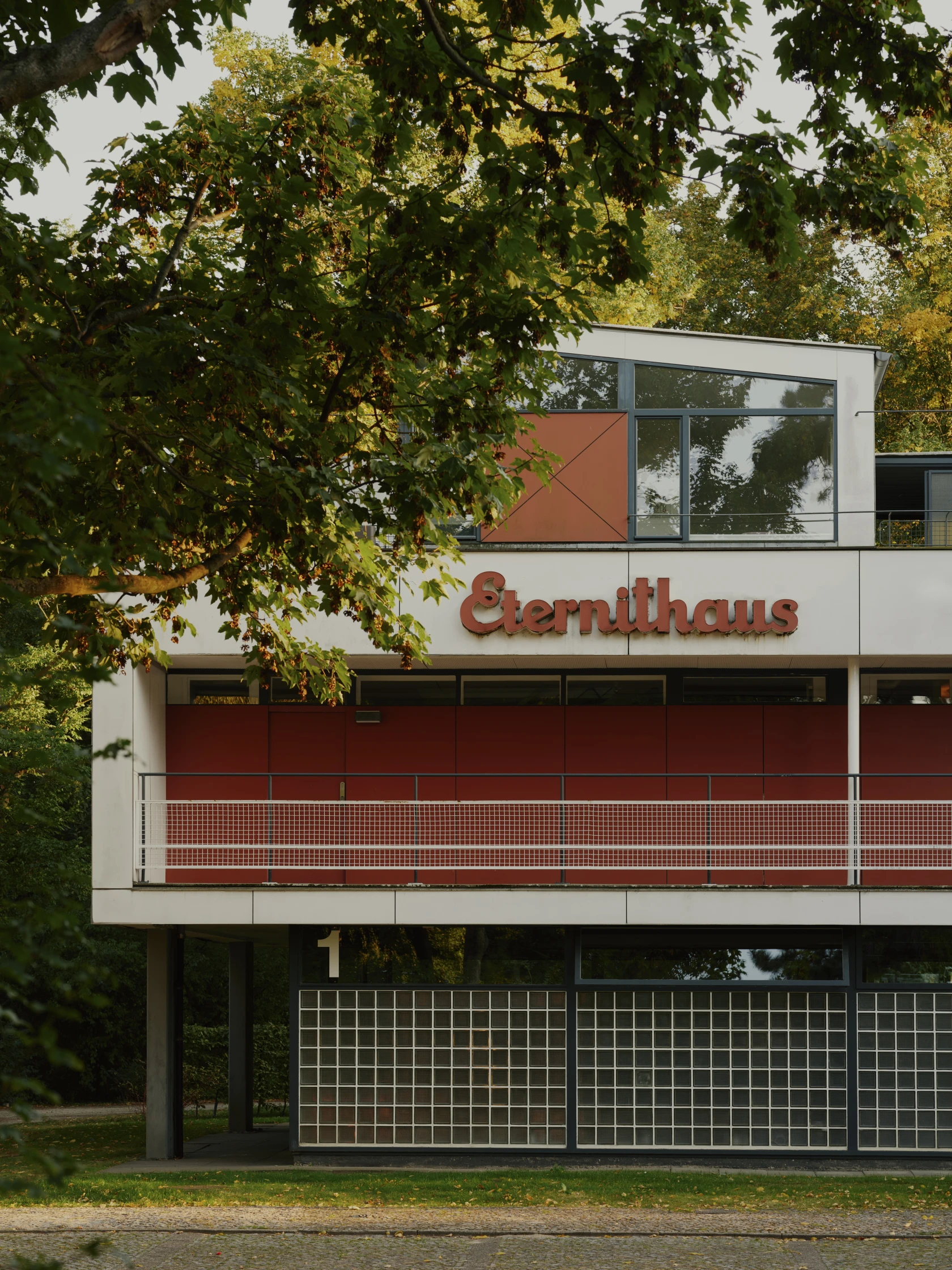
Built in 1957 for Berlin’s Interbau, the Eternithaus hosts the Currents Bar every evening as a meeting point for exchange and networking, as well as the Currents Agenda talks. Photo: Robert Rieger
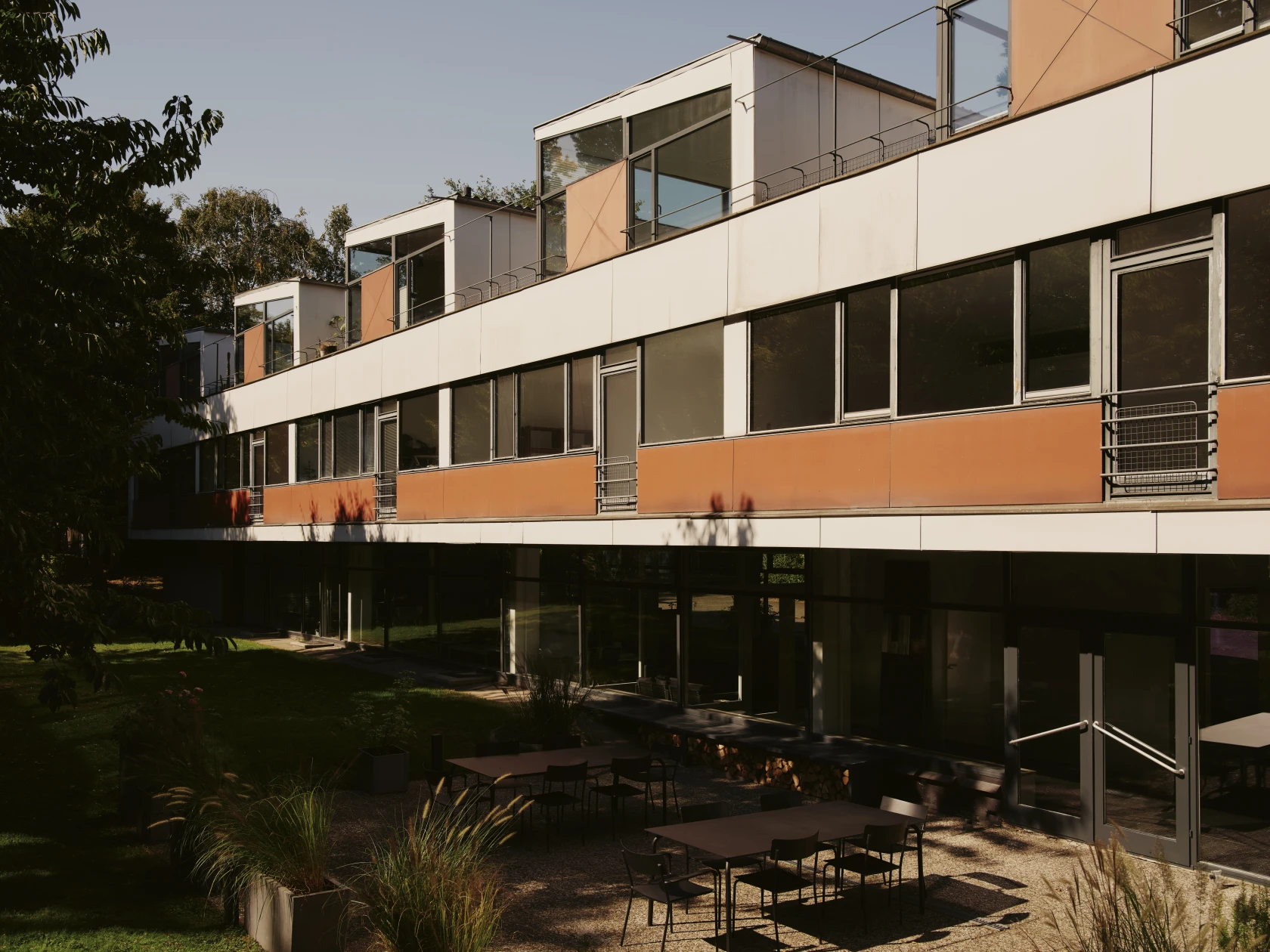
Fulds Eternithaus from the back. Photo: Robert Rieger
Fulds Eternithaus from the front. Photo: Robert Rieger
the thing Magazine:
So what is Berlin design right now? Is there a common thread?
LE: We’ll probably only be able to say that after Currents. Several products are being launched, and various participants are presenting new designs. The common thread is probably going to be a winding one. JJ: I think the common thread is less about a particular design language and more about the atmosphere or a sense of community. We always say: Currents is a community-based event. This is happening right here in Berlin, right now, and we’re part of it. I think that can generate quite a lot of energy. LE: Something that will distinguish Currents from other design weeks is bringing people together. This community building will create a strong sense of identity. I also think Currents will become quite discourse-based as a result. There’s a lot to talk about that is specific to Berlin because we’re at a point where so much is changing and quite a lot is at stake.
the thing Magazine:
What is at stake right now?
LE: Production costs have risen sharply, and markets are shifting. What particularly affects us here are rising rents. At the same time, there are cuts to culture and education. There is also a lack of support from politics and the public in Germany and Berlin. JJ: In Germany, design is often subsumed under “business” or understood as a nice-to-have, lifestyle, or simply beautiful living. But design actually has enormous relevance in the political, cultural, and social spheres. I think a lot of young people understand that by now. They know exactly what in their everyday lives has been designed and what effects that has. Those are the kinds of topics we’d like to discuss with a format like Currents Agenda. LE: We also need to discuss support for design from the political side. We are not receiving any public funding, for example from the Senate’s budgets, despite our efforts to secure it. Other Berlin initiatives in the design field have similar experiences. Which creative industry projects actually receive public funding in Berlin and what the funding criteria are seems completely opaque to us. We need to engage in discussion with other stakeholders and hold politicians accountable on this issue.
the thing Magazine:
You’re both journalists. How has your role changed through Currents?
JJ: The biggest aha moment for me has been realizing how much demand there is for advice. A lot of people and brands are looking for our outside perspective and see our expertise as journalists as valuable. LE: We don’t really do brand communication. Instead, we help with storytelling. Our connections to different media outlets and colleagues also help. For us it is easier to navigate which brand or studio, which story or particular aspect, could be interesting for which publication. JJ: At the same time, we’ve now become actors in this field ourselves. We have to make decisions: Where do we focus our attention with Currents? That definitely changes our position.
“The biggest aha moment for me has been realizing how much demand there is for advice.”
At Dopo Domani, the exhibition Pasado / Mañana, curated by Berlin-based platform Holder, presents contemporary objects by Latin American designers in dialogue with memory, heritage, and future perspectives.
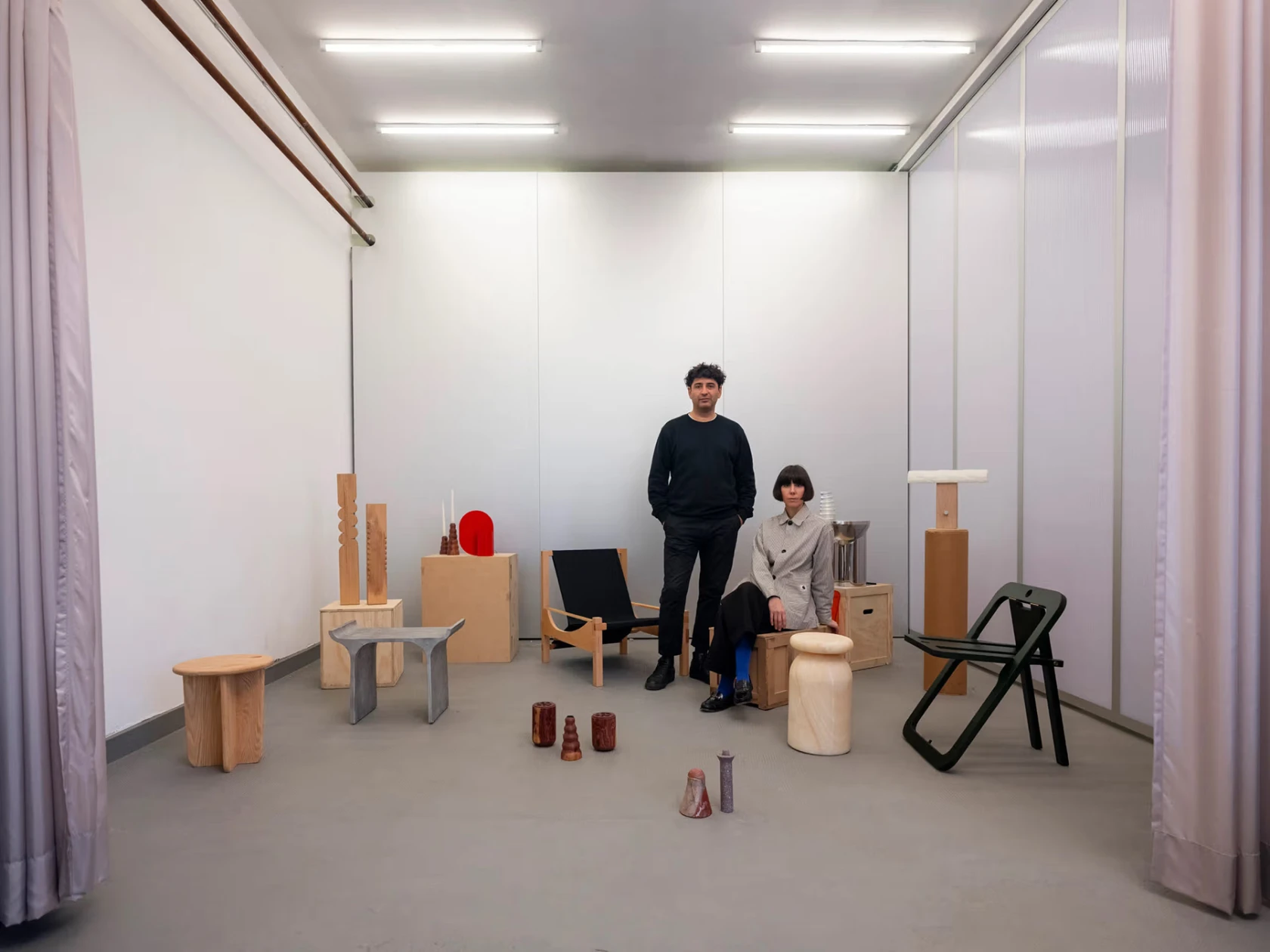
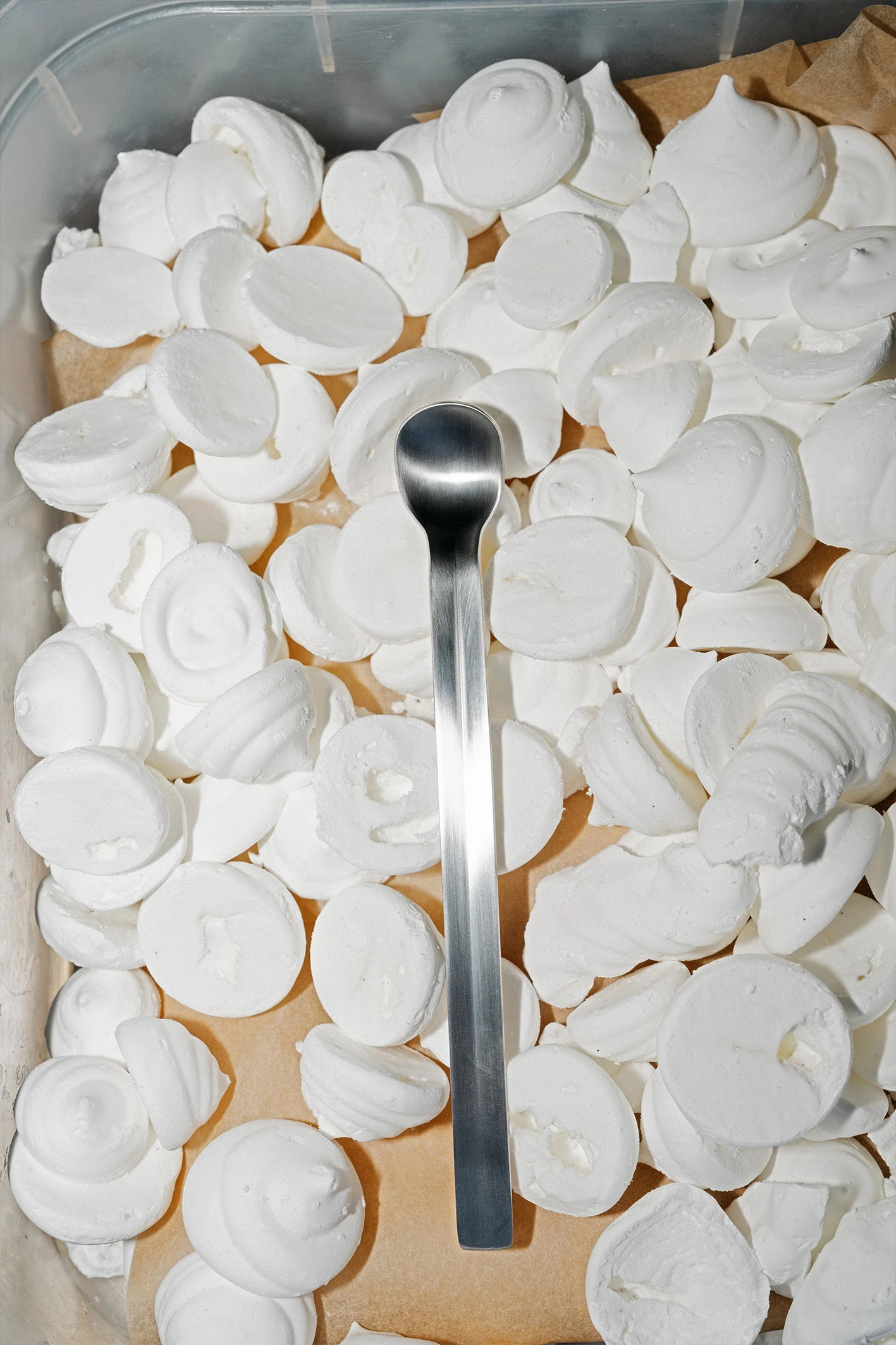
Mark Braun presents current and defining projects from 20 years of Studio Mark Braun. Pictured: Lemonade Spoon. Photo: Ina Niehoff.
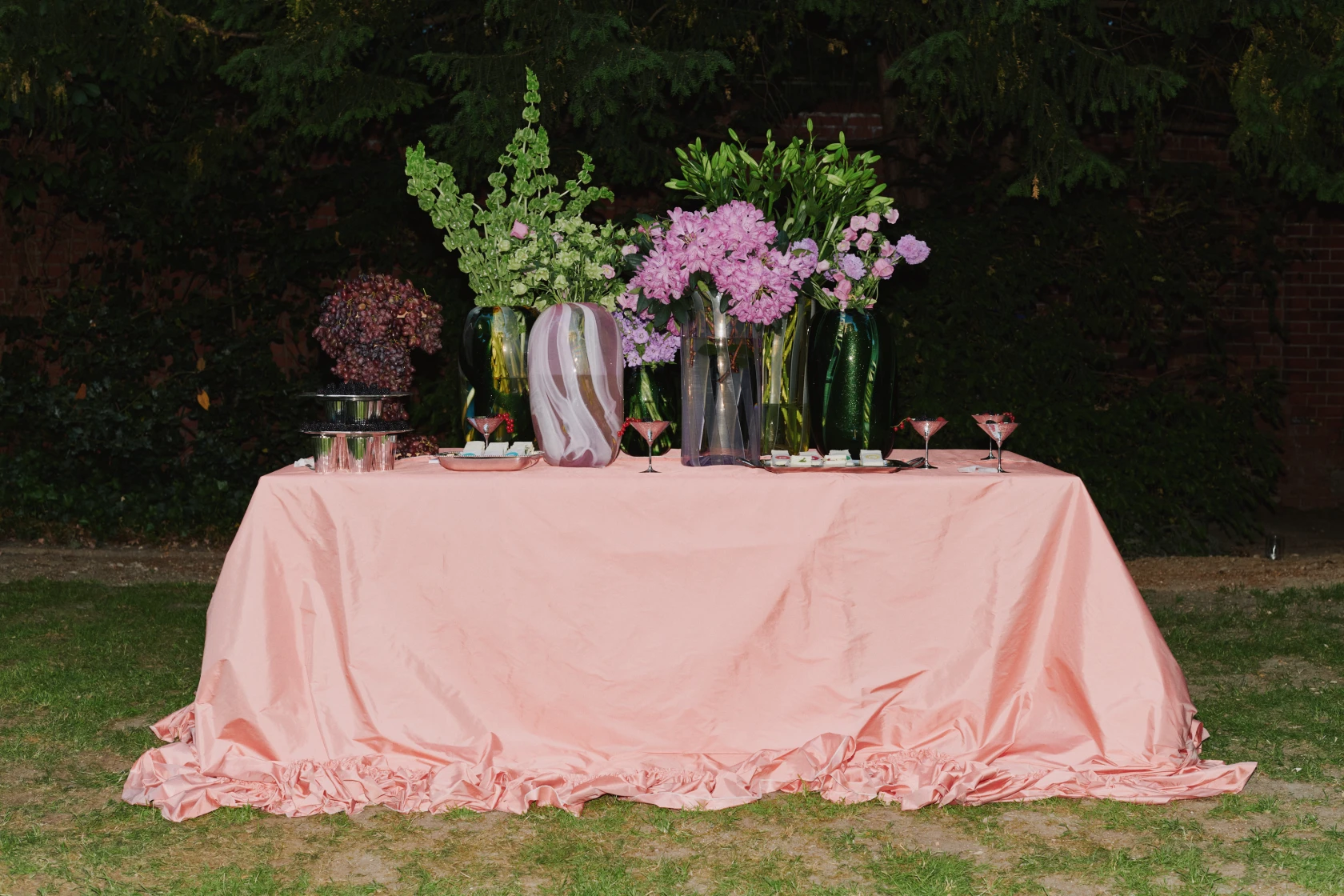
For Currents, Studio Moonarij, Atelier Jean Christian, and Château Royal present a selection of recent vases in the hotel’s Wintergarten.
For Currents, Balzer Balzer presents a site-specific installation at the former Jalousiefabrik, featuring pieces from the ninth edition of its Bubble Lights alongside previously unseen works.
the thing Magazine:
Why did you decide to create a format like this, especially now?
LE: Berlin doesn’t have a platform for the design scene that exists here. That’s completely incomprehensible. The need for it was so obvious that someone simply had to do it. JJ: What’s very important to us is talking to people, being connected to the community, and listening to them. We want to build something that helps the people working in the field, something they can see themselves in and participate in. LE: At the same time, Berlin has changed. It has become more international, there is greater economic pressure, and the internet has made communication more fluid. JJ: This economic pressure also leads to professionalization. There’s a greater awareness of the fact that designers and makers have to present themselves. I don’t think a certain degree of professionalization is bad for Berlin. LE: At the same time, Berlin still has this DNA of temporary use. We don’t need a lot of money before we can put together a small exhibition. We find an empty factory floor without electricity, ten people come together, and within a few weeks they put something together there. The combination of professionalization and making the best of limited resources is also very typical of Berlin.
the thing Magazine:
What motivates you on a more personal level? Why start something like this?
JJ: I’ve felt a bit like an entrepreneur for quite some time because, as a freelance journalist, you already operate entrepreneurially. On a biographical level, it’s also a family issue for me. My children aren’t that young anymore, and the amount of care work is decreasing. Only now do I really feel like I can take something like this on because I also have more mental space. I had this feeling: Okay, now I’m going to do something new. LE: I had talked to several people about potentially starting something, always asking: Don’t you think it’s really strange too? And then, with Jasmin, I found the person who said: “Yeah, let’s do it.”
the thing Magazine:
What are you hoping for from the first edition?
LE: Everyone come to Currents. JJ: We need visitors. Lots of them. LE: Bring your friends and family.
Find all information on Currents Berlin at their website: currentsberlin.com
In cooperation with Currents Berlin, we’re hosting the roundtable Berlin – The Lost Creative Capital? at Fulds Eternithaus on September 10 at 5 PM.
Join our community to post comments.
Login
Create account
Recent Comments
No comments yet.