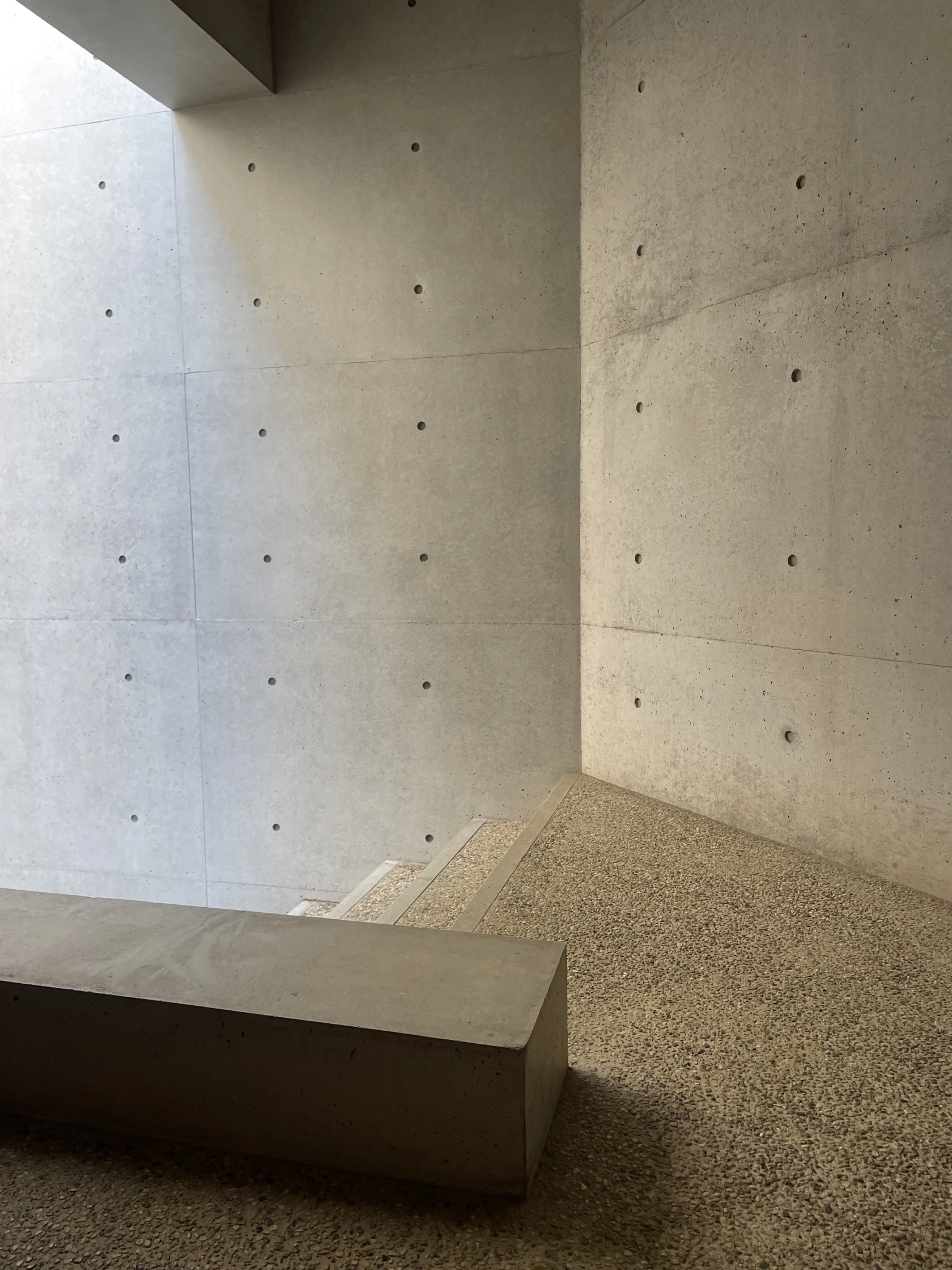
Outside Tadao Ando’s Church of the Light in Ibaraki, Japan.
Social media algorithms create tailored, often identical travel itineraries. They show you where to go, what to eat, what not to miss. A few second snapshots of what could be you looking at this brutalist building, tasting that grandpa’s custard pudding, or going outside the city to enjoy a museum with a view from inside a pool. Among the online craze of curated curiosity, have we forgotten how to enjoy the journey?
When I feel lost, overstimulated, or bored in life, I play a little game that works best when in good company. At every crossroads, you take turns choosing which way to go until you end up somewhere that speaks to you. I remember playing it with a friend in Fukuoka, Japan in the beginning of this year after the main quest (looking at Masaharu Takasaki’s brilliant observatories) seemed a little too out of reach without access to a car. Like Baudelaire’s flâneur, we wandered through the city guided solely by intuition rather than a destination. This silly little game took us to a beautiful garden, a trippy light show, and a damn good restaurant. Usually referred to as any random, minor, or unexpected activity that distracts you from the main path or routine, these so-called side quests left a lasting impression on me. My personal gamification of boredom feels true to the word’s video game origins. Here, side quests are mini-stories independent of the main goal. Players can skip them to finish the game, though completing them often yields extra rewards or lore.
Sidequesting can be as simple as taking another route than Google Maps suggests. In fact, I miss the times you came across a building, an exhibition, or a place out of pure luck. Not because a trained algorithm suggested it but because you saw a poster on the street grabbing your short attention span. Because you decided to spend hours in a rabbit hole with countless tabs open, not knowing where the music comes from anymore, and research seemed more important than sleep. Because a friend told you about something special, and you could feel their excitement spill over. Don’t get me wrong, social media can be a blessing when it comes to finding new gems and interesting artists, but it shouldn’t be the only source of reference. When a place becomes popular online, it often arrives with a ready-made script. You already know what to expect, where to look, and even how to feel.
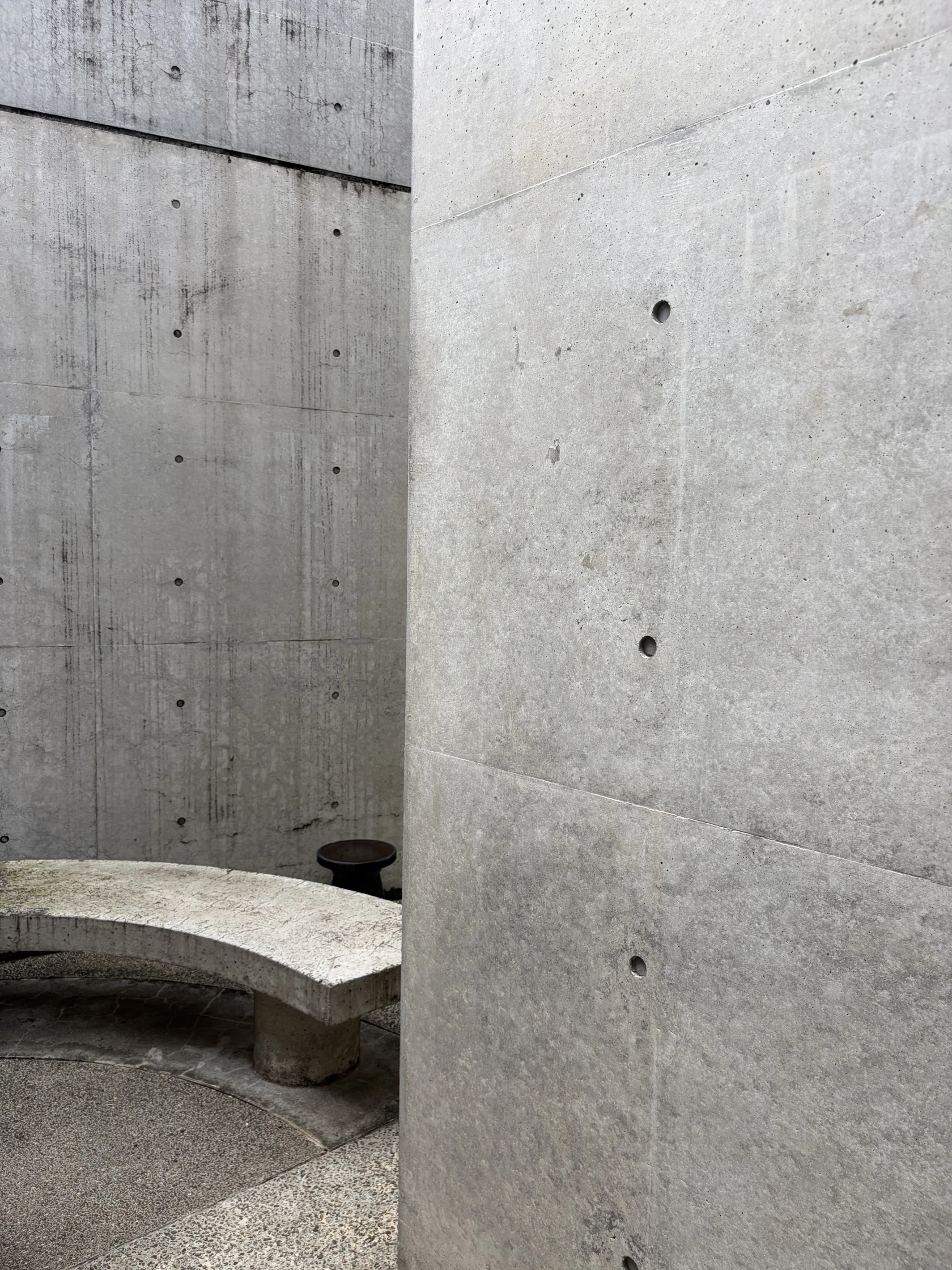
Outside Tadao Ando’s Church of the Light in Ibaraki, Japan.
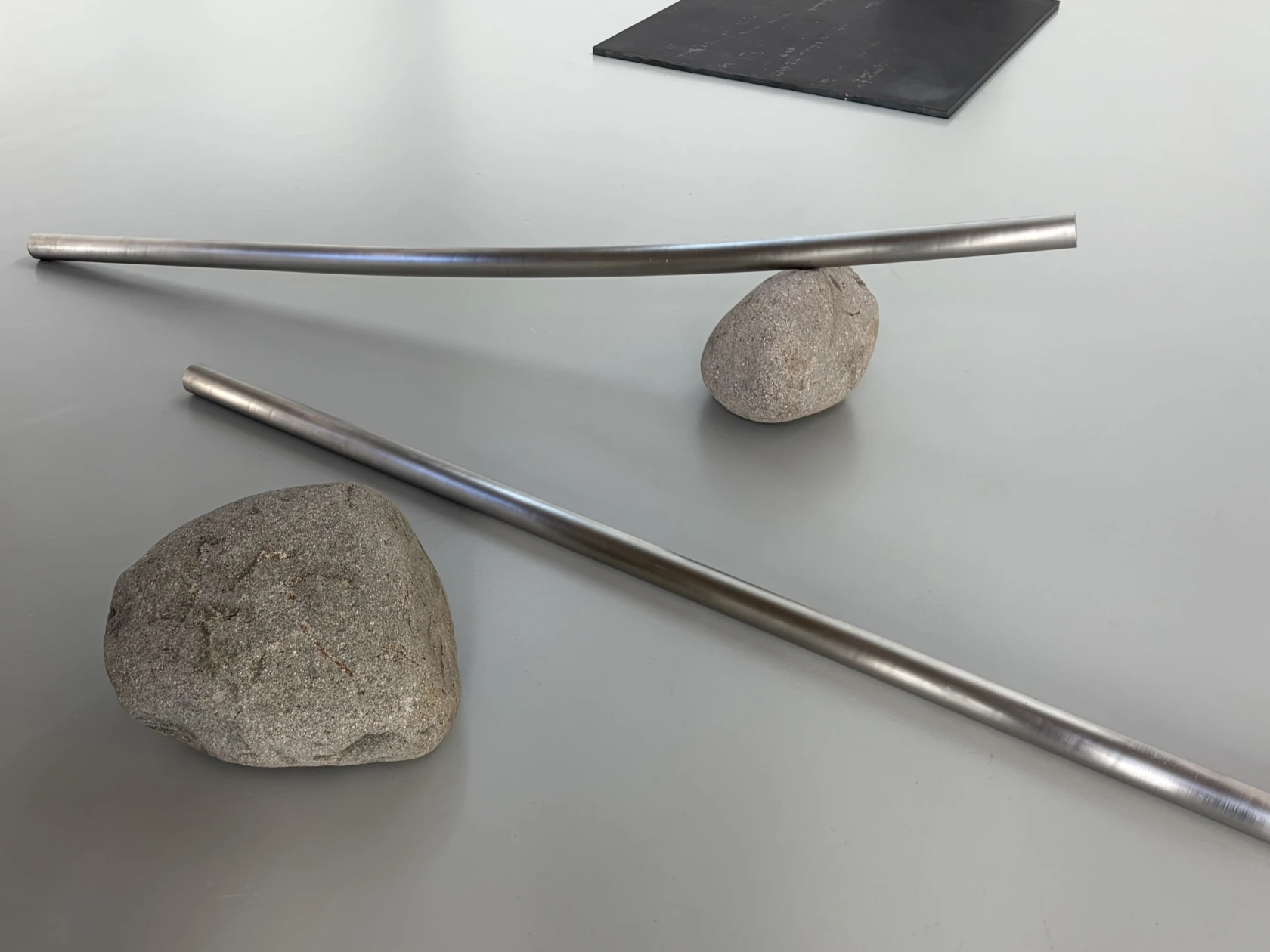
Works by Lee Ufan at Scai the Bathhouse in Tokyo, Japan, 2026.
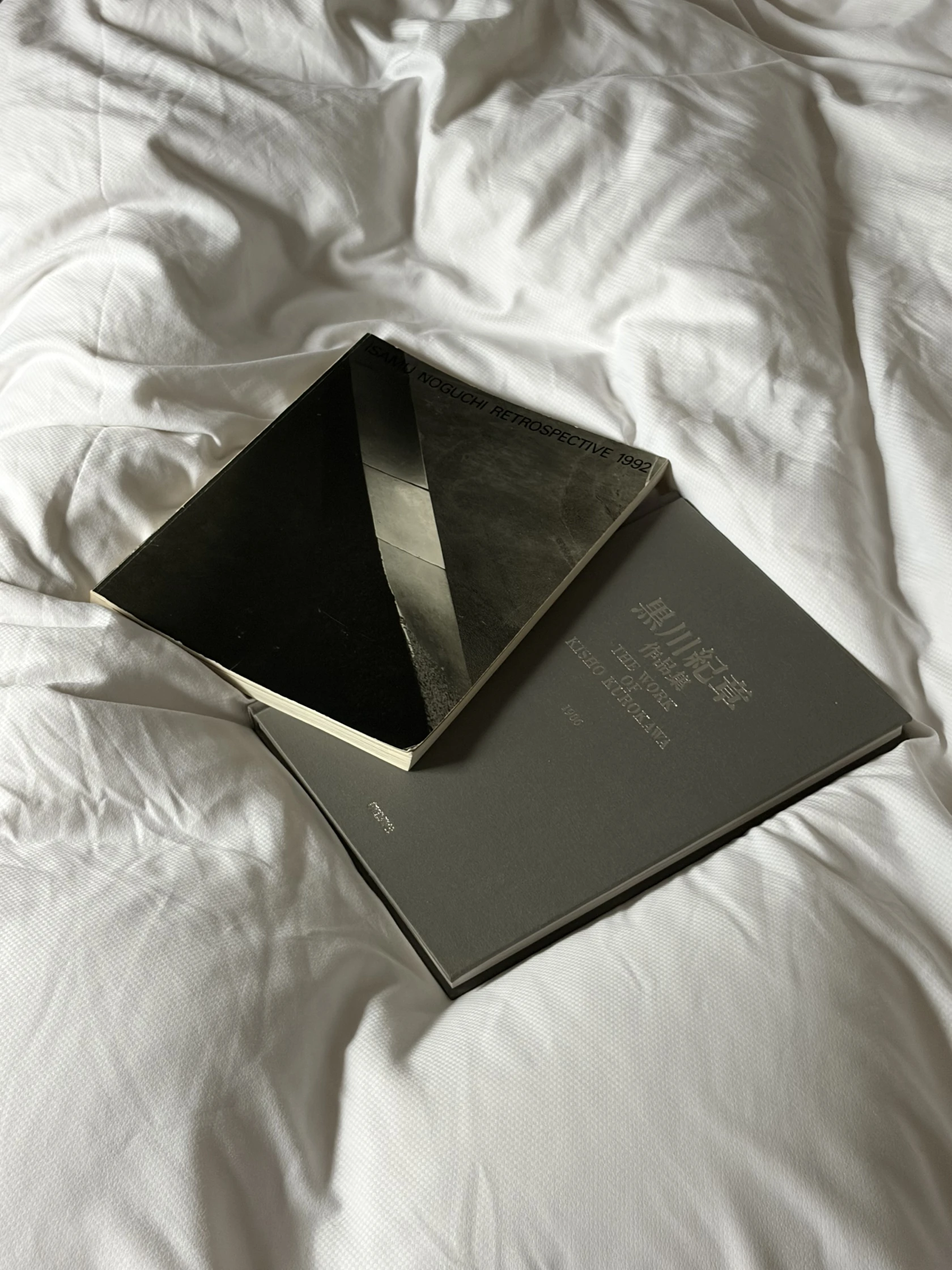
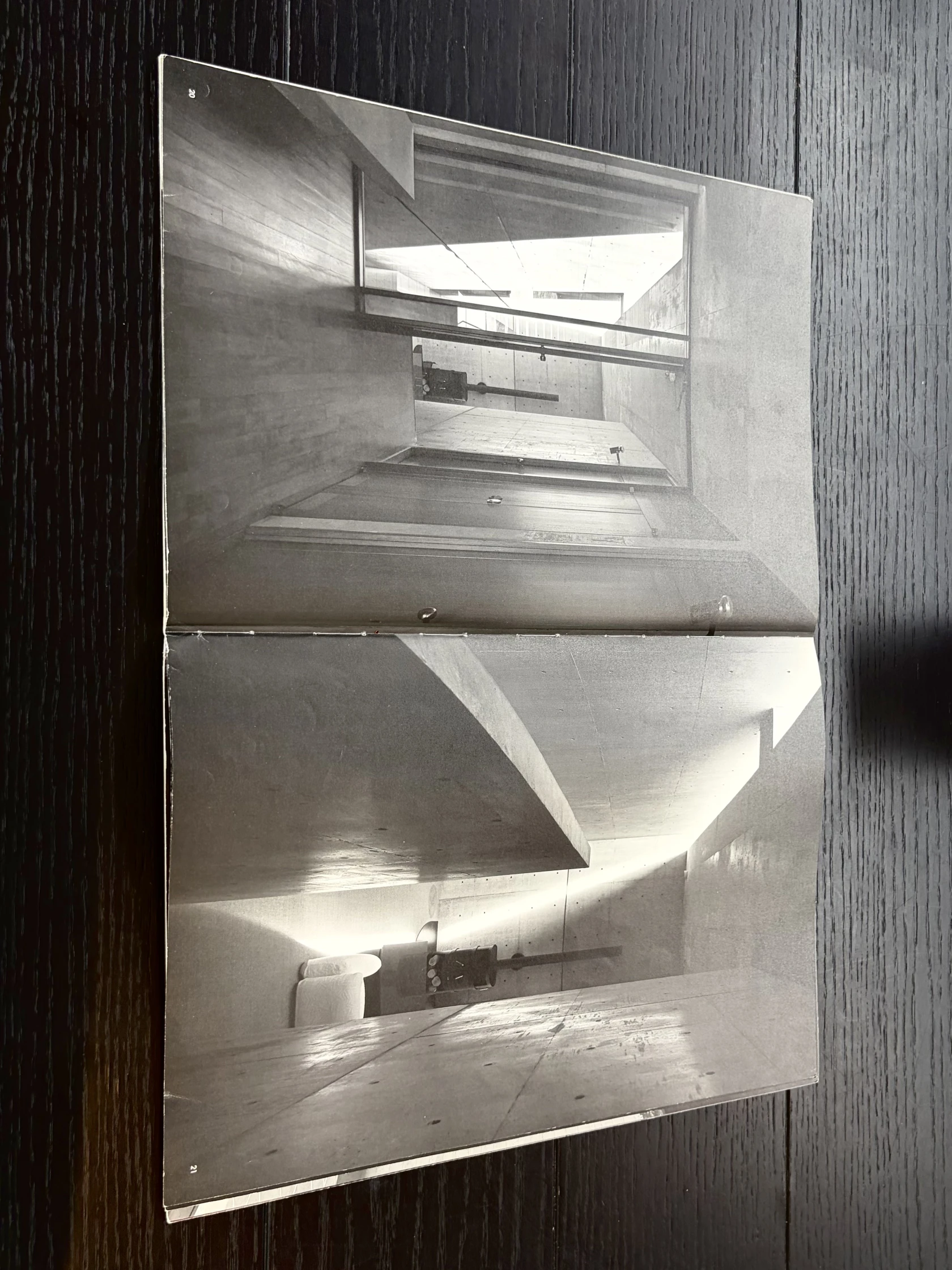
Books that found me on my trip: The Works of Kisho Kurokawa and Isamu Noguchi Retrospective 1992.
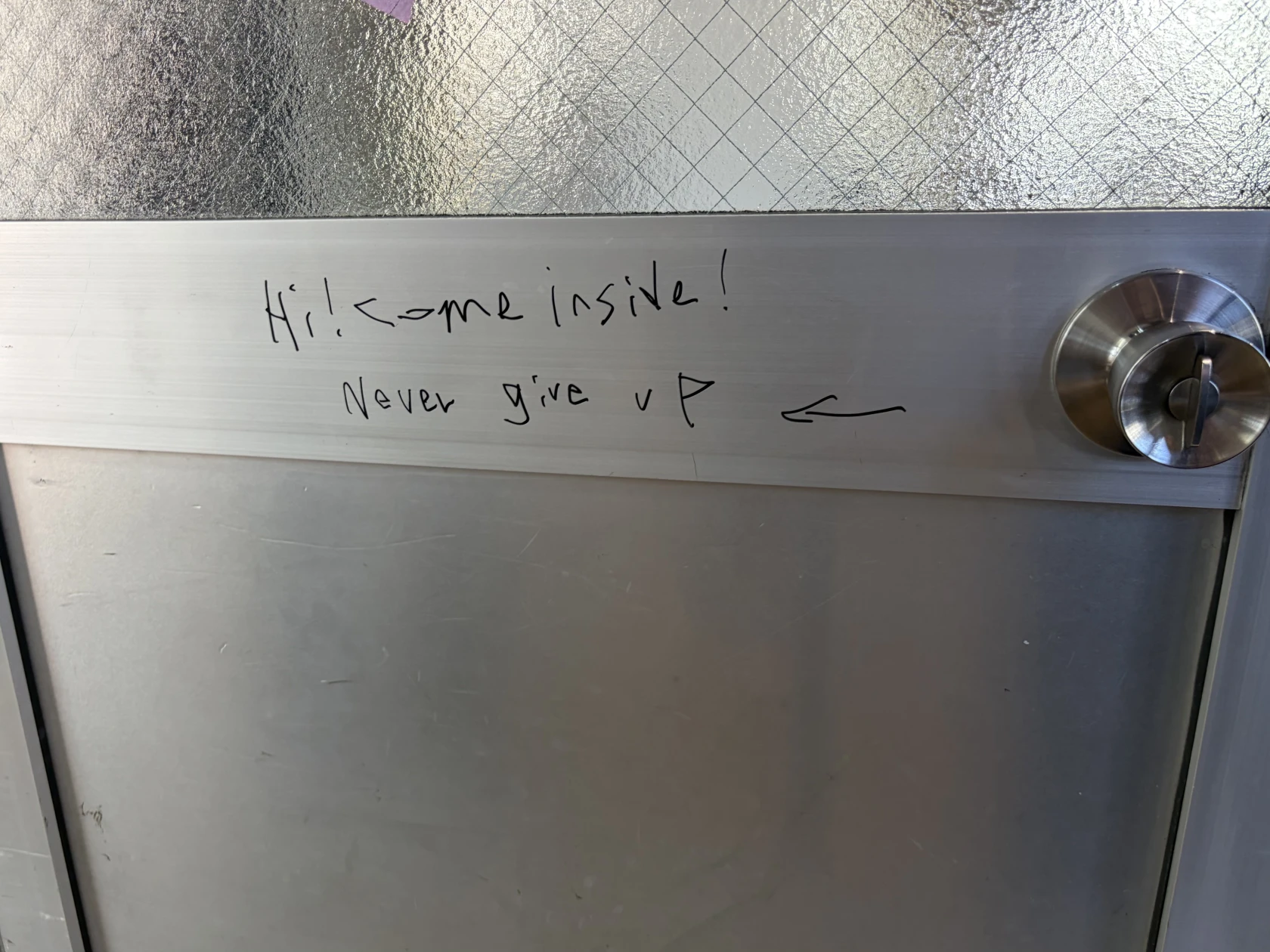
A little reminder at Tawks Coffee, next to Skwat in Tokyo, Japan.
There is a tendency to make every experience productive, yet not everything needs to lead somewhere. It’s OK to take the scenic route or get distracted by something mundane. Aristotle once challenged the idea that life is simply a sequence of objectives you need to complete to finally be happy. His concept of eudaimonia (εὐδαιμονία), often translated as human flourishing, is something you actively do through the way you live and not a feeling you experience at the end of a successful life. I’m not saying one of the most well-known Greek philosophers was telling you to do more side quests in life, but he did suggest that the journey is where the living actually happens.
I spent the last three weeks in Japan, mostly sidequesting a little too hard. No, I’m not another white girl making this country my whole personality, but I fear the emotional bond I have with this place is real. It was my first solo travel experience after a soul-crushing heartbreak. A reset, which let me rediscover parts of myself I’ve lost along the way. Since then, I have tried to go back at least once a year, always finding little pieces of that feeling in the most unexpected places: collecting stones at the beach, having soba noodles in solitude, and zoning out in front of my hotel window. Of course, it also means occasionally getting sick and having an emotional breakdown in the pharmacy of a camera store after spending an hour trying to collect my prescription. Somewhere between all these little detours, I started wondering what actually makes a trip memorable.
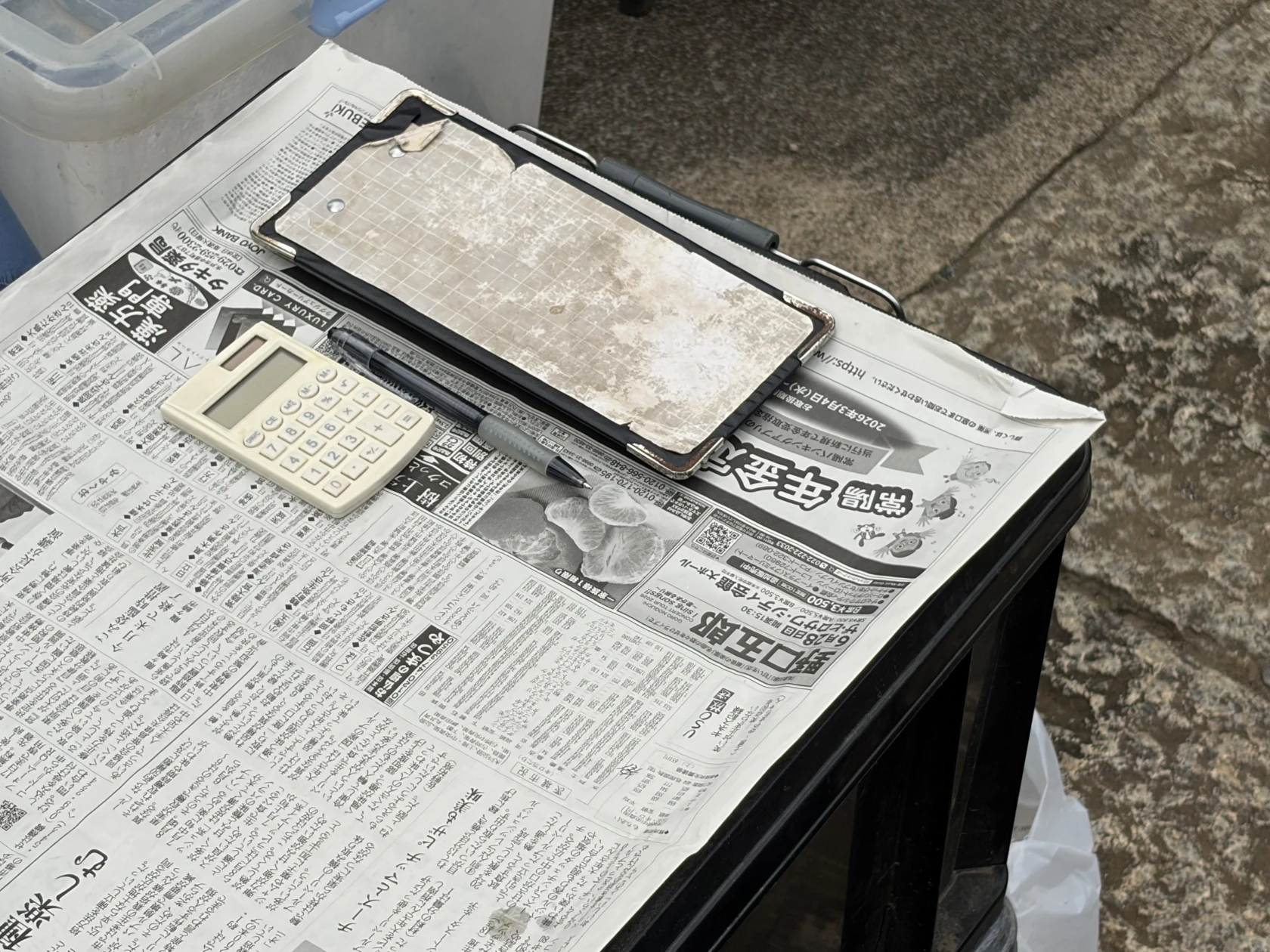
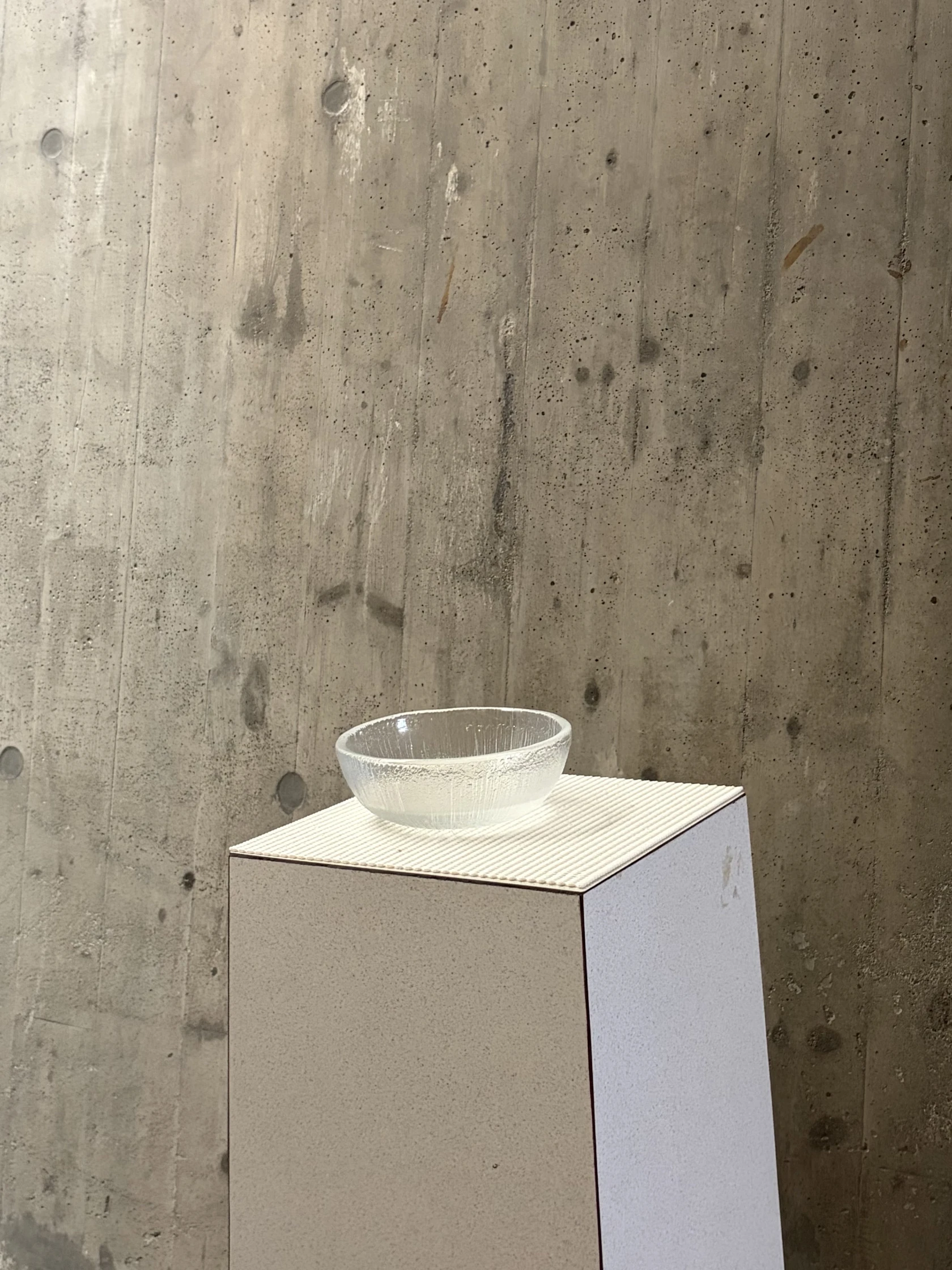
Packing station still life at a Japanese antique market.
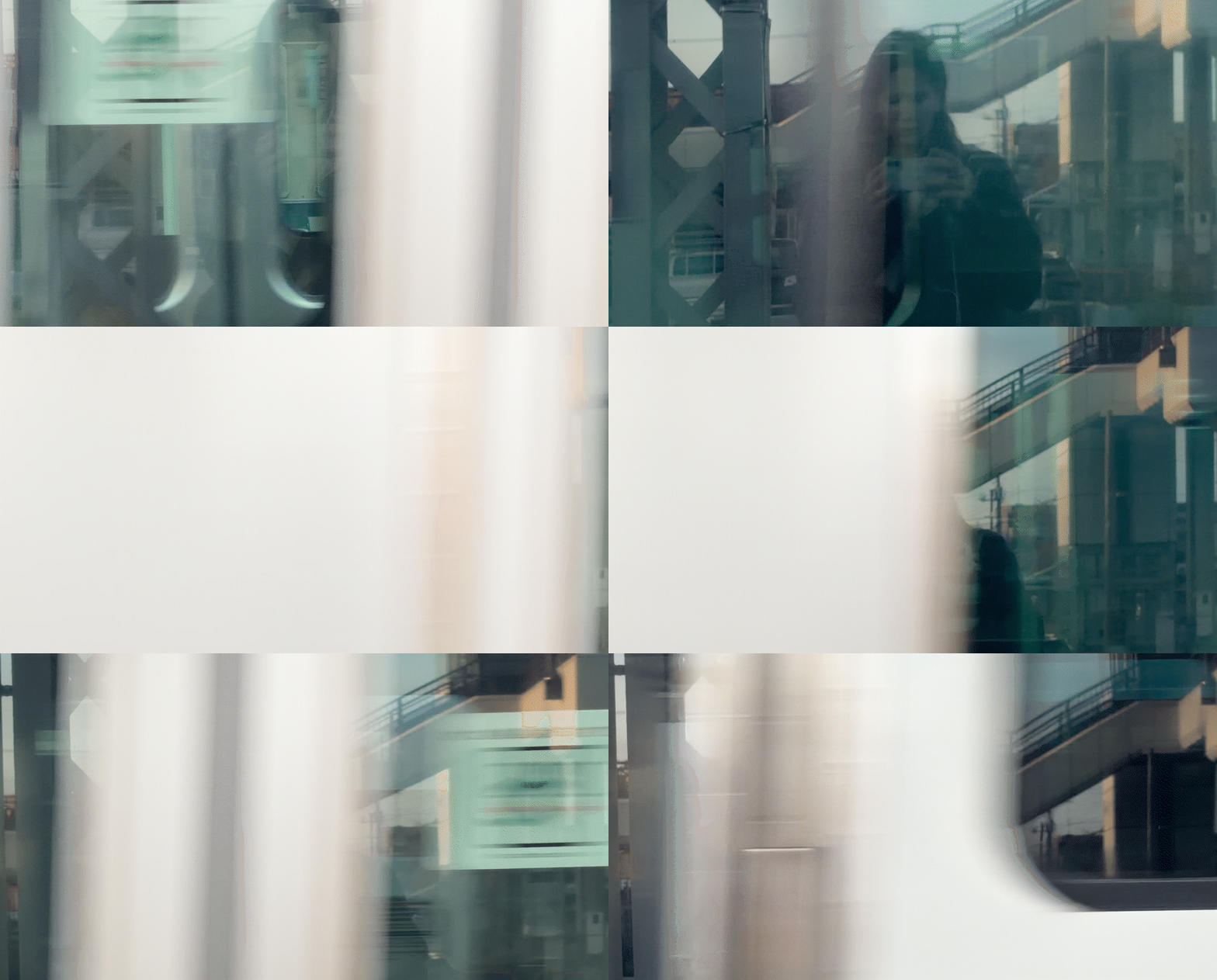
The most beautiful Shinkansen floor plan.
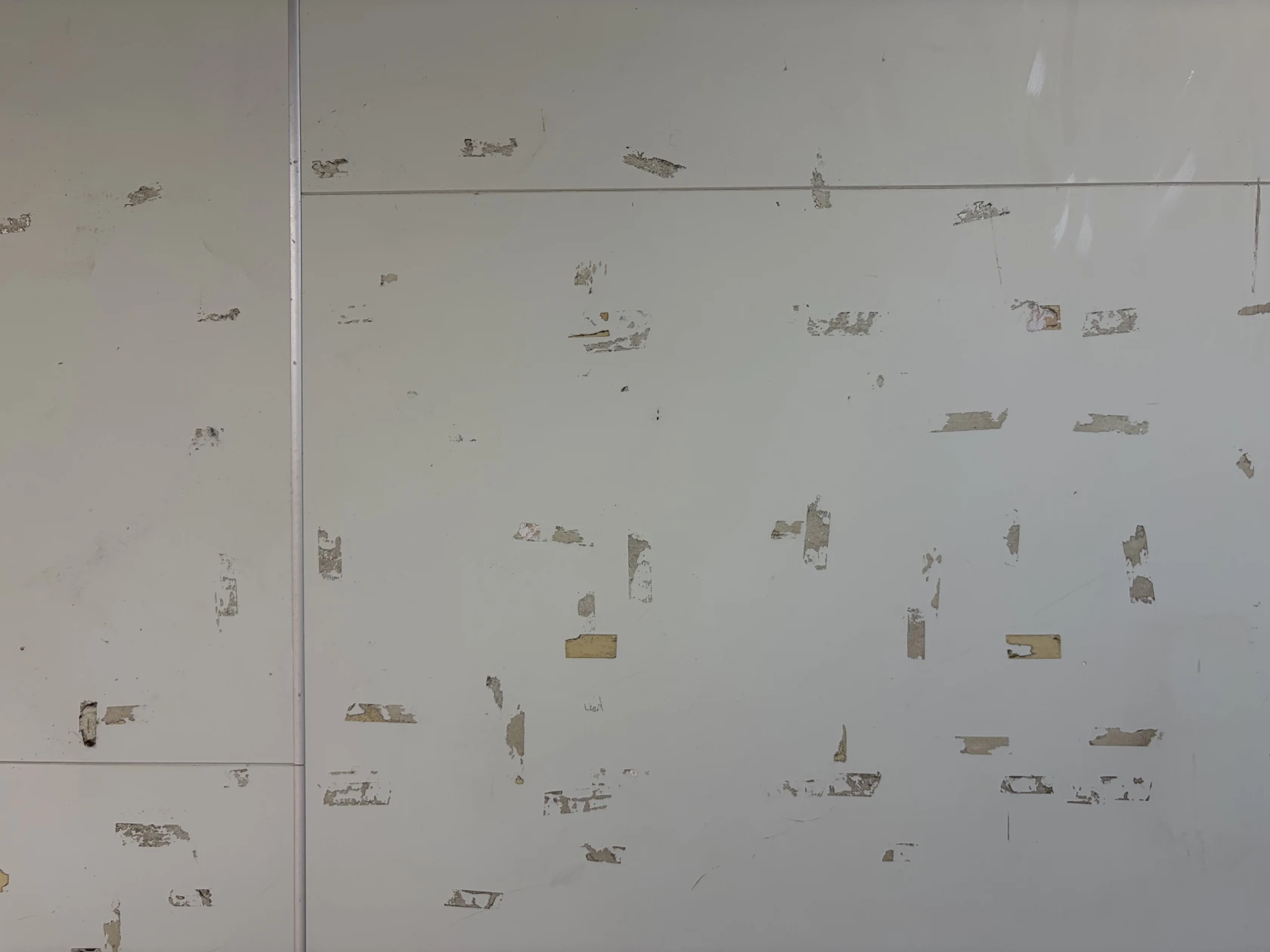
Random poster leftovers.
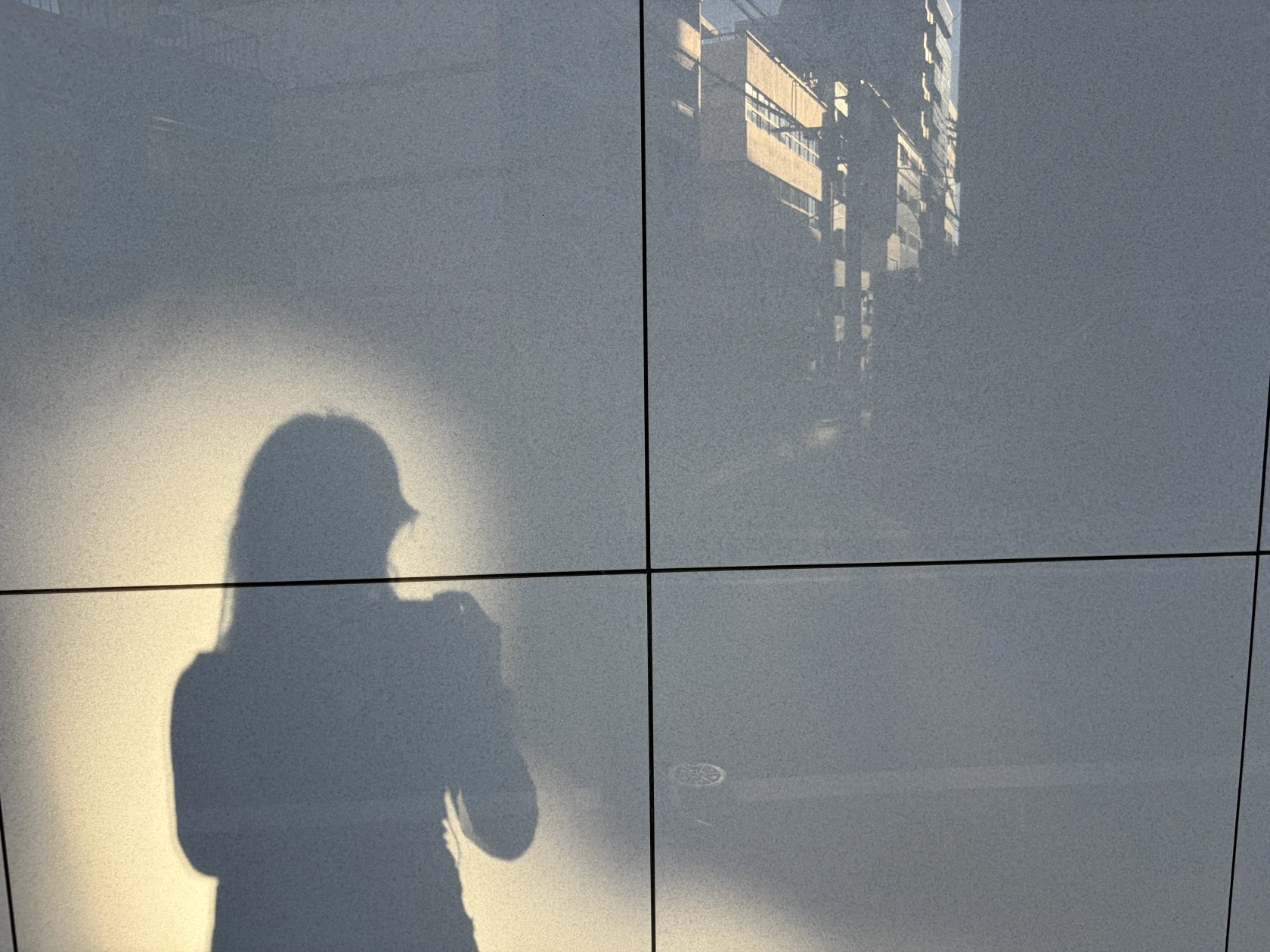
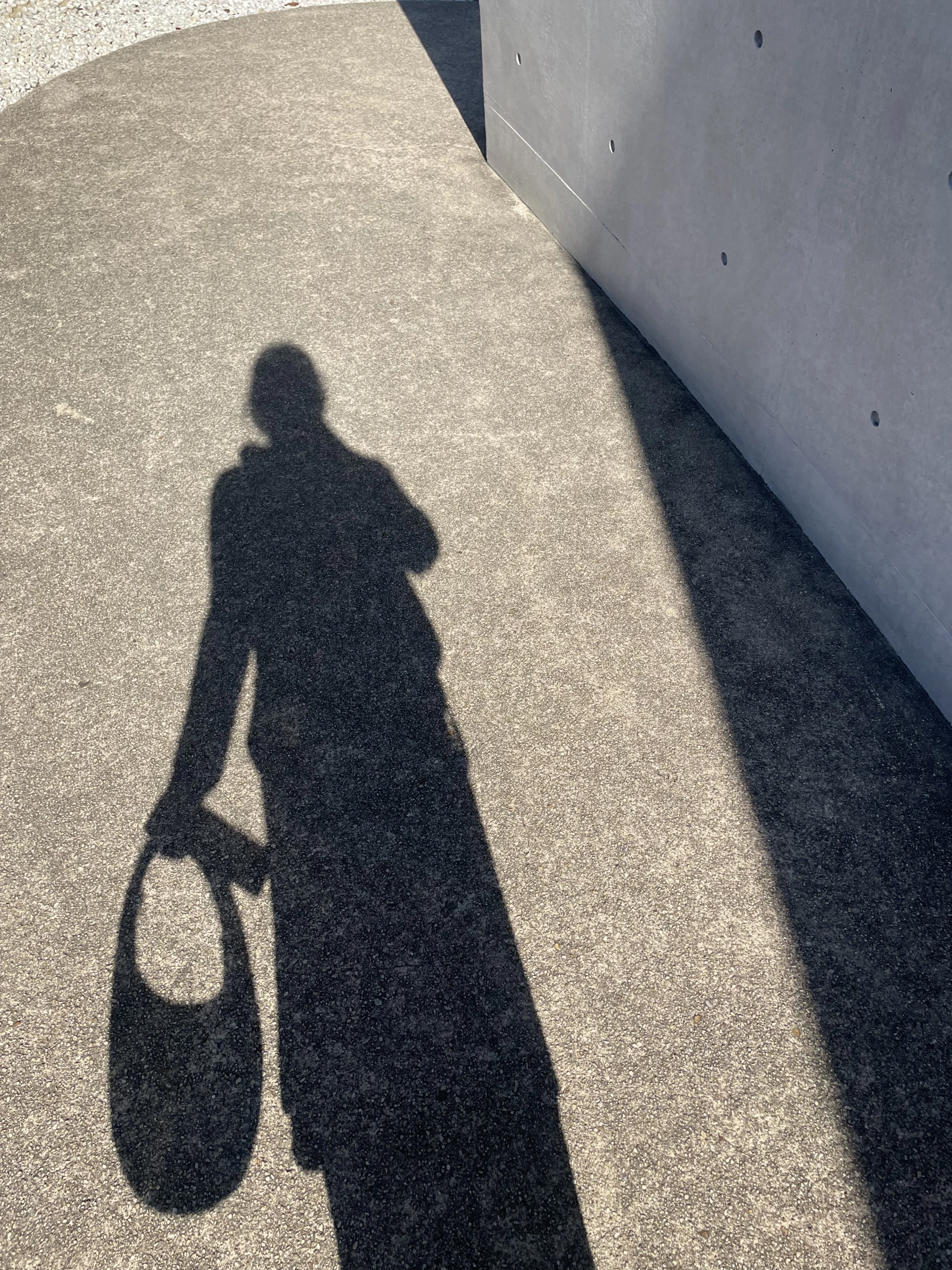
A moment of self-reflection.
When I met a friend at my favorite Japanese curry place –– which I discovered by following a group of businessmen disappear down a side street –– I asked how he liked his first trip to Japan so far, and he answered, “I don’t know why everyone is making all that fuss about it!” He had a packed itinerary, moving to a new city every two days. Not that there’s a right or wrong way to experience a place, but when you enter a city with a predetermined list of must-sees, you might be less receptive to those in-between moments that happen along the way. Those small but significant interactions with strangers. Those observations that stay with you longer than any building or exhibition you see with your own eyes. A dad teaching his youngest son how to ride a bike on a countryside road. Umbrellas of strangers kissing one another on a busy street. A waiter at the ramen restaurant tracing a smiley face on the rainy, fogged-up glass, thinking no one’s watching. I will always remember the small things, the details, the specific scenes –– they stick like natto.
Maybe that’s what side quests are really about: not designing every outcome, but making room for a little whimsy. Follow a hunch, take the wrong turn, or spend hours somewhere you never planned to be. That doesn’t mean you have to give up recommendations or abandon your carefully curated list. In fact, I want to share some of my own main quests with you. These architectural masterpieces have been safely tucked away as little yellow stars in my Google Maps. I mostly found them in books, others were referred to by dear friends, and some are courtesy of doomscrolling. Each holds a little memory of its own, a reminder that planning and spontaneity aren’t opposites. They can coexist.
Also known as “Water Temple,” this Tadao Ando building is the architect’s own vision of paradise. You basically descend between floating water lilies and lotus blossoms (if you’re lucky) until you end up in labyrinth-like corridors leading to the sacred space of the Buddhist temple built in 1989. The bus dropped me right at the highway, and I was the only one getting off. I remember my heart being full as I just visited a curated oasis of objects in the heart of Kobe to kill some time on the way. When I pushed the elevator button to go back down, a girl approached me who later became a good friend and a fellow sidequester.
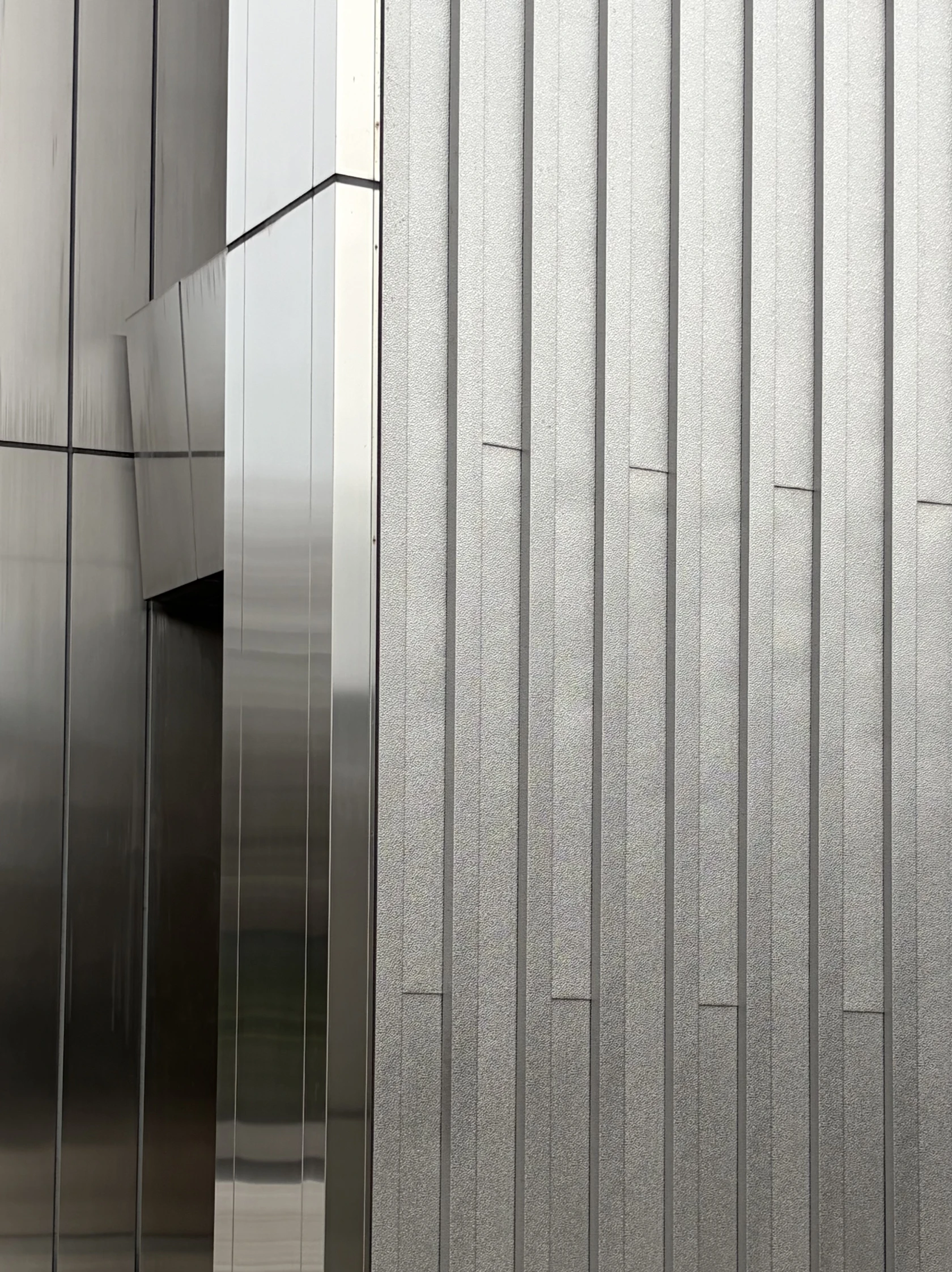
On my first trip to Japan back in 2017, I passed the Yoyogi National Gymnasium, and it somehow stayed with me. A Hinge match reminded me of the existence of Kenzo Tange (thank you, stranger from the internet!), so I ended up saving this beautiful church on Google Maps for years before finally getting the chance to visit. After having been destroyed completely during World War II, the renowned architect covered the once wooden gothic-style church in stainless steel. I went back with friends on a hot summer day, all of us craving something cold to drink. On the bumpy bus ride we decided to get off earlier and found the most beautiful tea house nestled in the Higo-Hosokawa Garden.
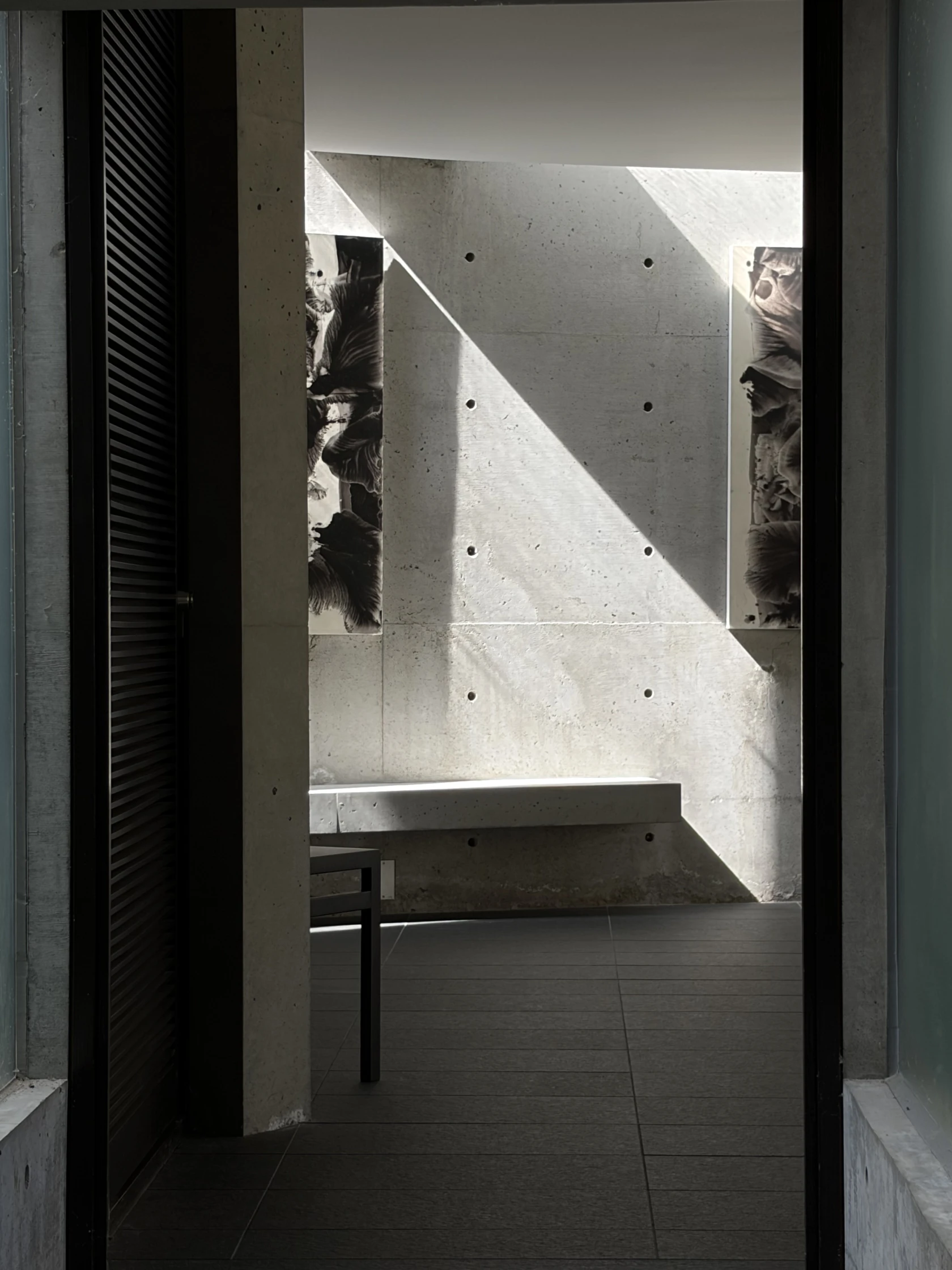
A book with the complete works of Tadao Ando found me in one of my favorite bookstores in Tokyo. I took it home and fell in love with the Koshino House. So much so that I planned my whole trip around it, as the opening hours are not the friendliest. Commissioned by fashion designer Hiroko Koshino, this residential project functions more as a meditative composition of volumes and voids rather than the conventional idea of a house. Ando once said, “At Koshino House, I wanted to use concrete to create darkness so that the light could become architecture.” It was worth every insect bite along the way (five). As we had plenty of time to kill before the bus took us back to the city, we wandered around in the residential neighborhood to find a little gallery. The elderly man who worked there offered us green tea and a sweet treat and couldn’t stop smiling. Sometimes it’s about enjoying someone’s company rather than understanding a single word.
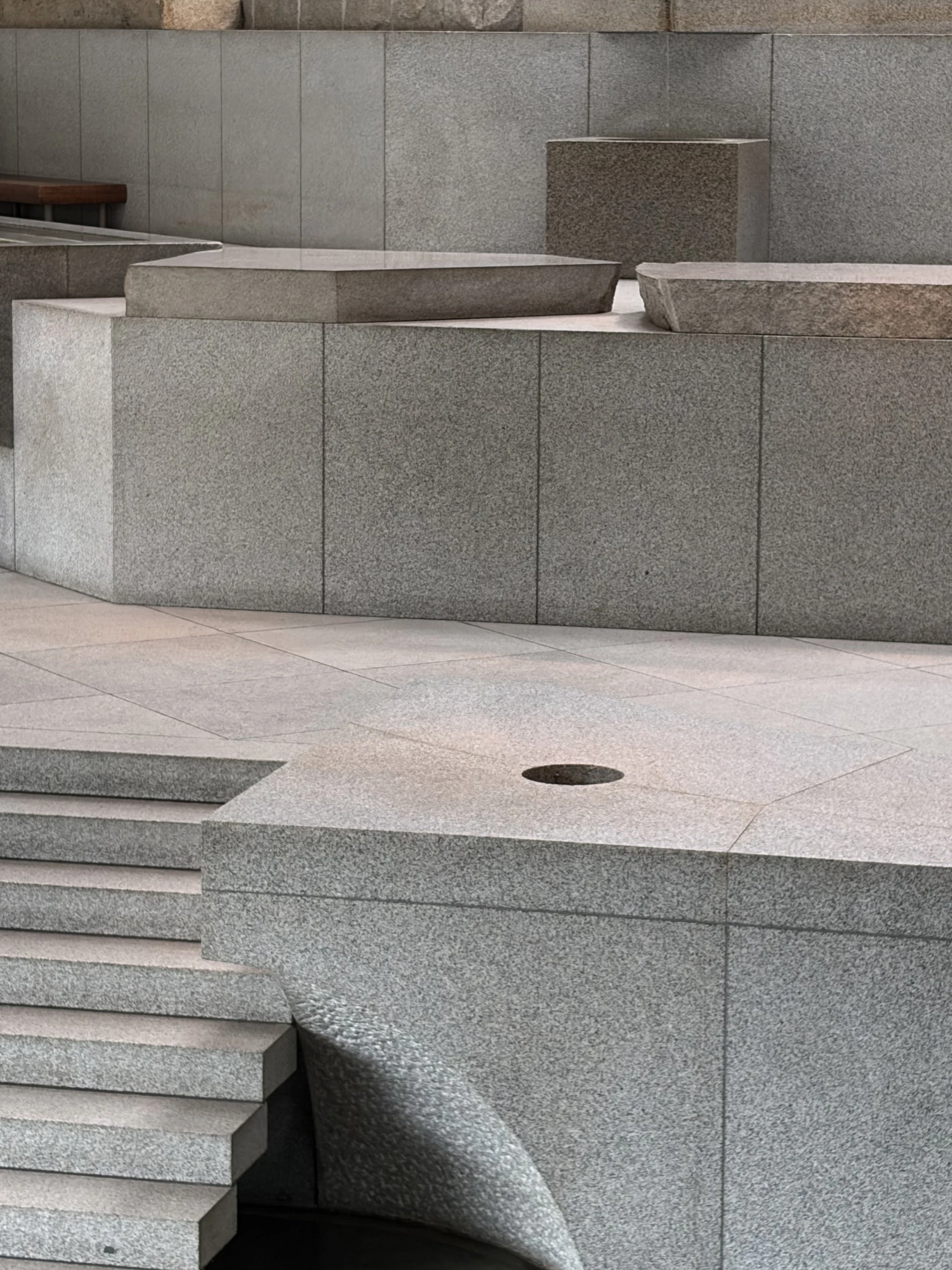
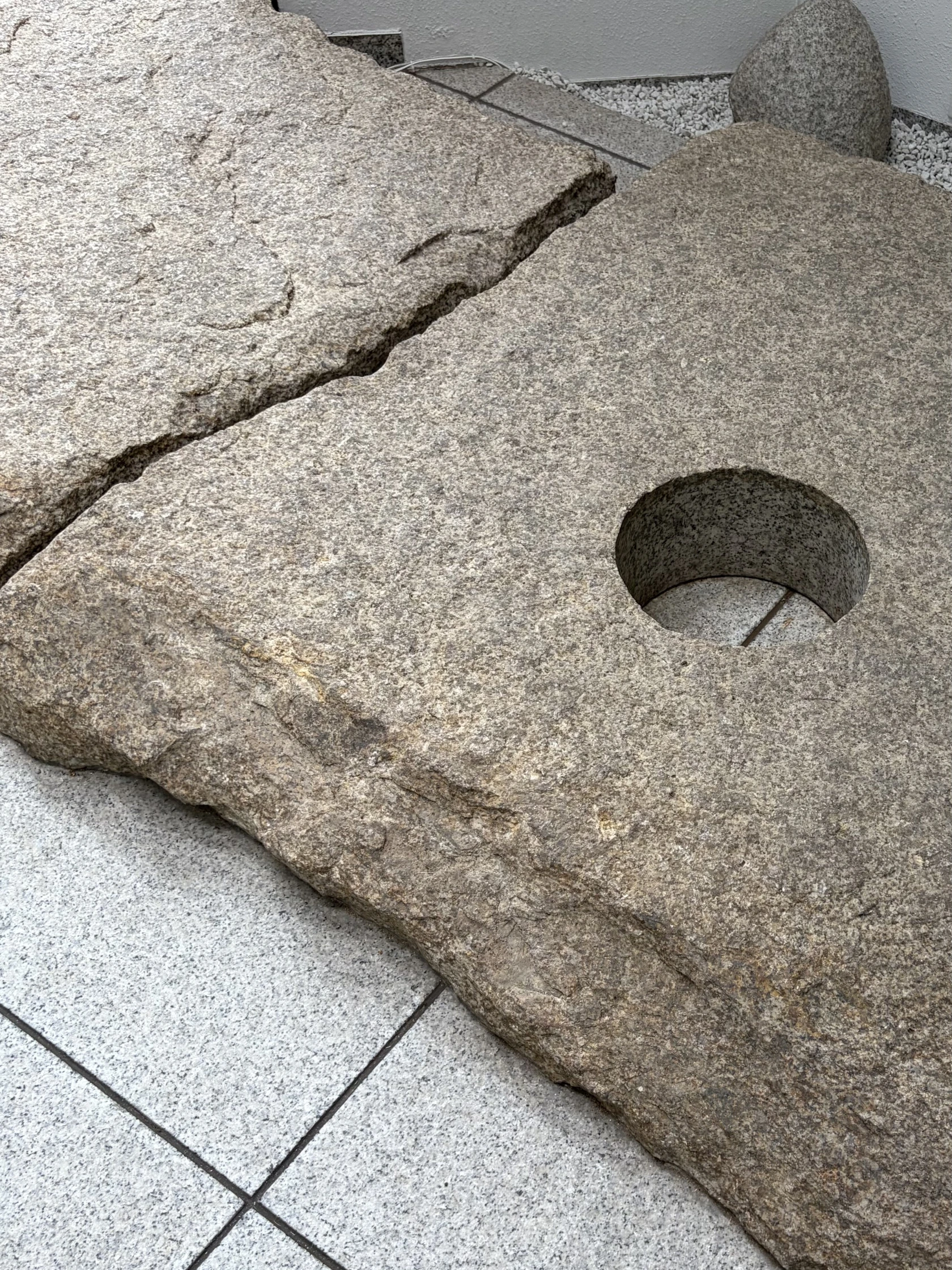
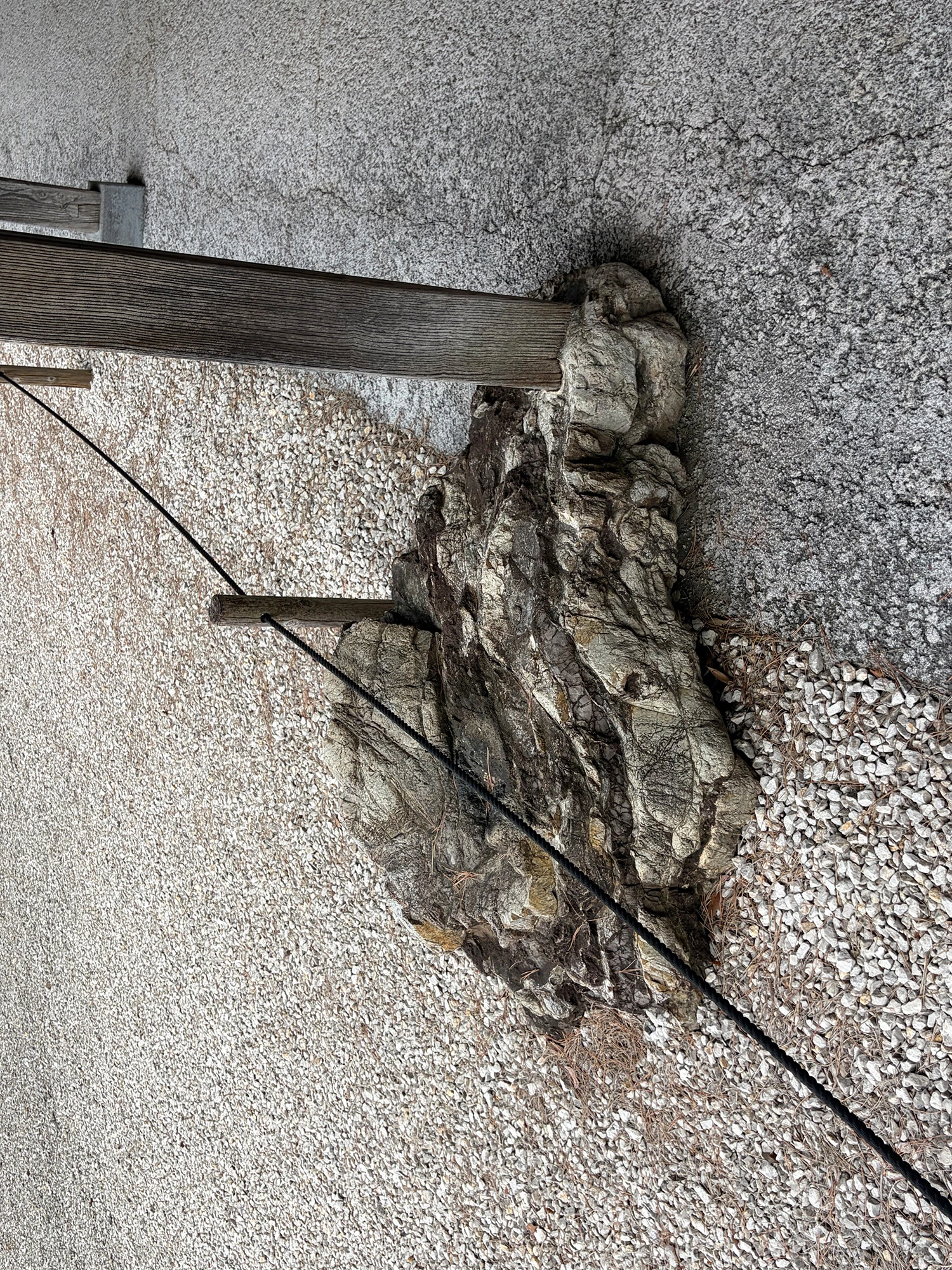
As an Isamu Noguchi stan, I always wanted to check out the indoor stone garden completed in 1978, but every time I went, it was closed to the public. I once Google-translated my everything to the guard working there, but in a typical Japanese manner, he refused my inquiry for a little sneak peek. It took me several attempts until one day I randomly passed the place and couldn’t believe my eyes when it was in fact open. I just sat there for an hour looking at stones, trying not to get caught by the guard taking a few photos as a memory. Sumimasen, at this point.
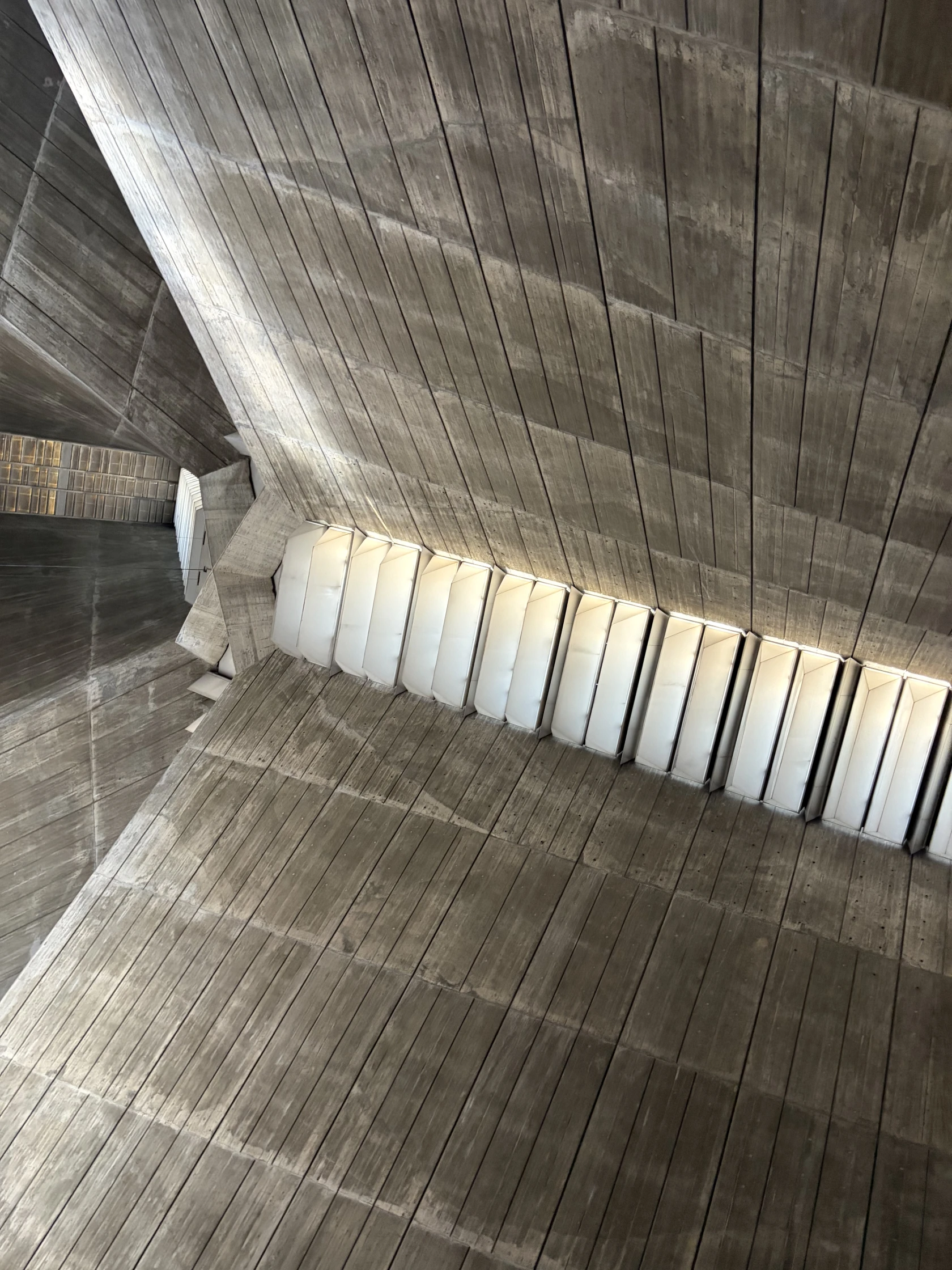
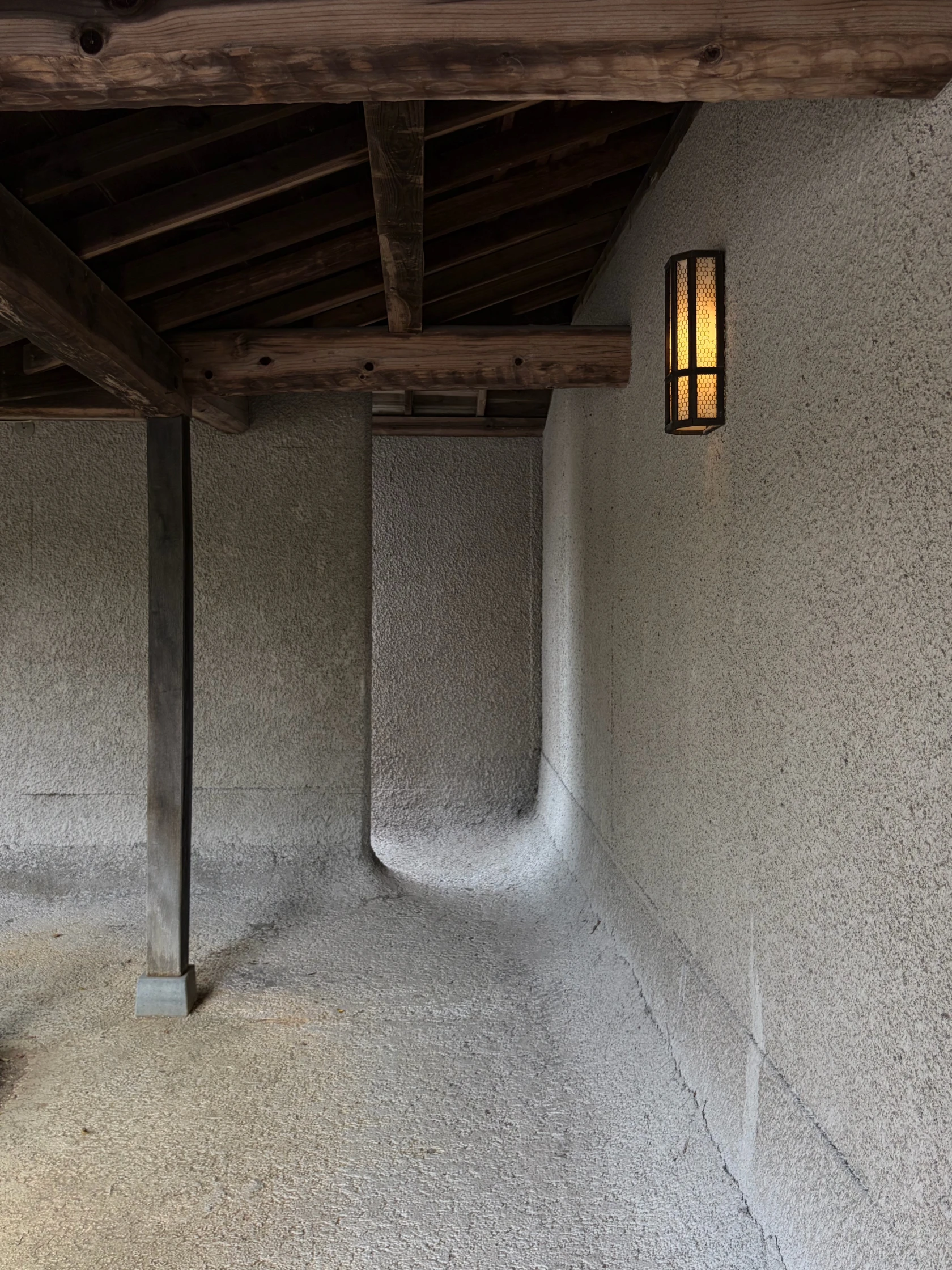
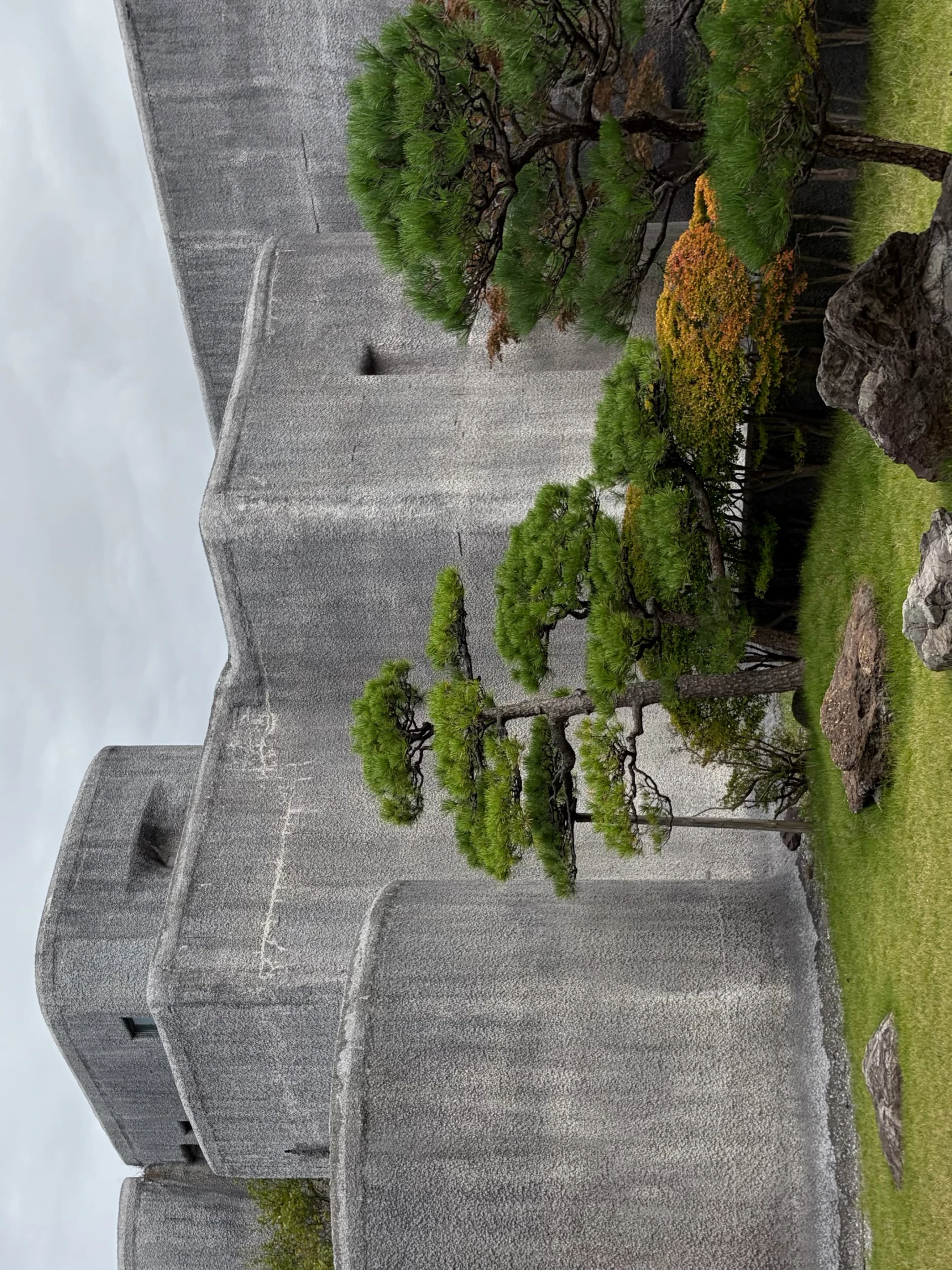
I like Togo Murano because he seemed like an underdog of architects who loved to take time off every year to travel and look at buildings. He wasn’t seeking any fame outside of Japan and basically wanted to do his weird but wonderful thing. This museum was among the last buildings he designed before passing away, a brutalist gem close to the seaside. So close that I decided to search for cool stones after roaming through the curved, cave-like chambers full of Buddhist statues. I probably spent an hour browsing through the Jade Beach before it started to rain and the spider on my skirt, which I didn’t notice at that point, and I went for a little 7-Eleven snack. Note to myself: Sometimes, we get so caught up in looking for things that we forget to notice what’s around us.

Join our community to post comments.
Login
Create account
Recent Comments
No comments yet.